
Commercial Roof Replacement
Serving homeowners throughout Missouri, Illinois, Wisconsin, and Kansas
Commercial roof replacement is not just a construction decision. It is a property protection decision.
When a commercial roof keeps leaking, the problem can affect tenants, inventory, equipment, interior finishes, business operations, insurance conversations, and long-term property value. At a certain point, repeated patching can create more risk than it solves.
Cloverfield Roofing helps commercial property owners and managers evaluate roof condition, understand replacement options, and choose a commercial roofing system that fits the building, budget, drainage needs, code requirements, and long-term ownership plan.
Commercial Roof Replacement That Stops the Patch Cycle
Some commercial roof leaks can be repaired.
But when the roof is aging, saturated, poorly draining, failing at multiple seams, or leaking after every storm, another patch may only delay the larger problem.
Commercial roof replacement gives property owners the opportunity to correct the roof as a system instead of chasing leak after leak. That can help reduce repeat service calls, tenant complaints, interior damage, mold concerns, safety risks, and liability tied to ongoing water intrusion.
Cloverfield Roofing helps owners and property managers understand when replacement is the more responsible path and which roof system makes sense for the building.
When Commercial Roof Replacement Makes More Sense Than Patching
A patch may be appropriate when the problem is isolated and the surrounding roof is still in serviceable condition. Replacement becomes more important when the roof is no longer reliable as a system.
Commercial roof replacement may be the better option when:
A commercial roof should not become an endless maintenance liability. If the system is too far gone, the owner deserves a clear replacement conversation.
Why Repeated Commercial Roof Leaks Create Bigger Risks
A commercial roof leak can spread beyond the roof quickly.
Water may enter above tenant spaces, office areas, retail units, warehouse floors, electrical equipment, inventory, insulation, or interior finishes. Even a leak that starts small can create larger problems when it keeps coming back.
Repeated leaks can create risks such as:
Replacement is not always the first answer, but it should be discussed when the roof is no longer protecting the building reliably.
Commercial Roof Inspection Before Replacement
A commercial roof replacement should start with a careful inspection.
Cloverfield evaluates visible roof conditions, leak history, drainage concerns, and system details so owners and managers can understand what is happening before choosing a replacement system.
A commercial roof inspection may review:
The inspection should help decision-makers understand whether the roof can still be repaired or whether replacement is the better long-term recommendation.
Replacement Planning for Flat and Low-Slope Roofs
Many commercial roofs are flat or low-slope systems.
These roofs need careful planning because water does not drain the same way it does on a steep-slope residential roof. Drainage, seams, insulation, penetrations, flashing, rooftop equipment, and edge details all affect long-term performance.
Flat and low-slope roof replacement should account for:
- Drainage design and ponding water areas
- Existing roof layers and tear-off requirements
- Insulation needs beneath the roof system
- Roof deck condition where visible or exposed
- Membrane type and attachment method
- Flashing at walls, curbs, drains, and penetrations
- Rooftop units, service paths, and access points
- Edge metal, coping, and perimeter details
- Weather timing and installation sequencing
- Building use, tenant access, and operational needs
- Manufacturer requirements and warranty documentation
- Local code, permit, and inspection requirements
A flat roof replacement should not be reduced to “putting down a new membrane.” The system has to be selected and installed around the way the building actually drains and operates.
Commercial Roofing Systems Cloverfield Can Evaluate
The right commercial roof system depends on the building.
A strip mall, warehouse, mixed-use building, industrial space, or multi-tenant property may each require a different approach. Cloverfield can help owners and managers compare commercial roofing systems based on roof slope, drainage, existing roof type, budget, rooftop equipment, and warranty goals.
Commercial roof replacement systems include:
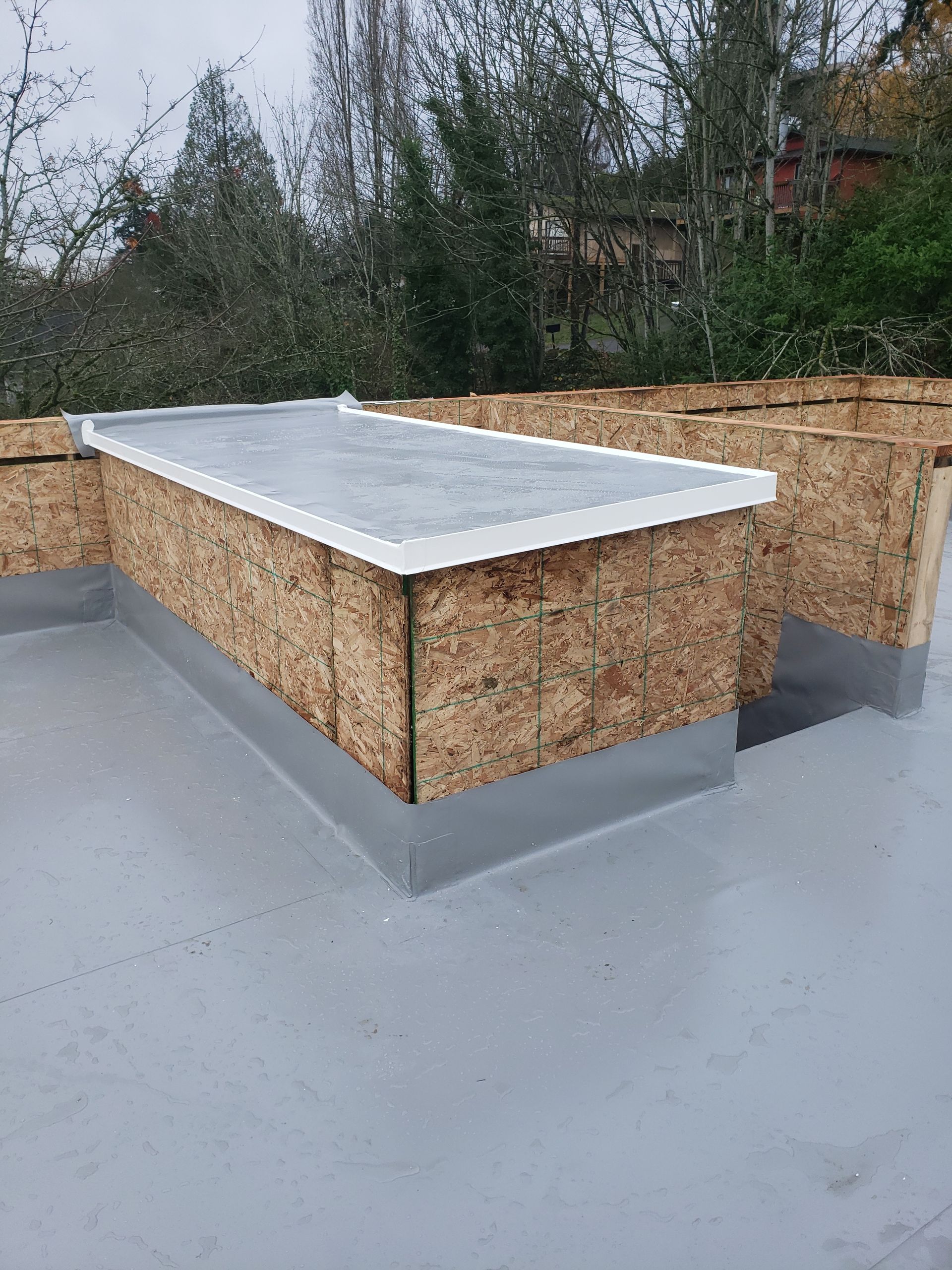
TPO ROOFING
TPO is a common single-ply commercial roofing membrane used on many flat and low-slope buildings.
It may be worth evaluating when the building needs a membrane roof system with planned seams, flashing, drainage, insulation, and manufacturer warranty options.
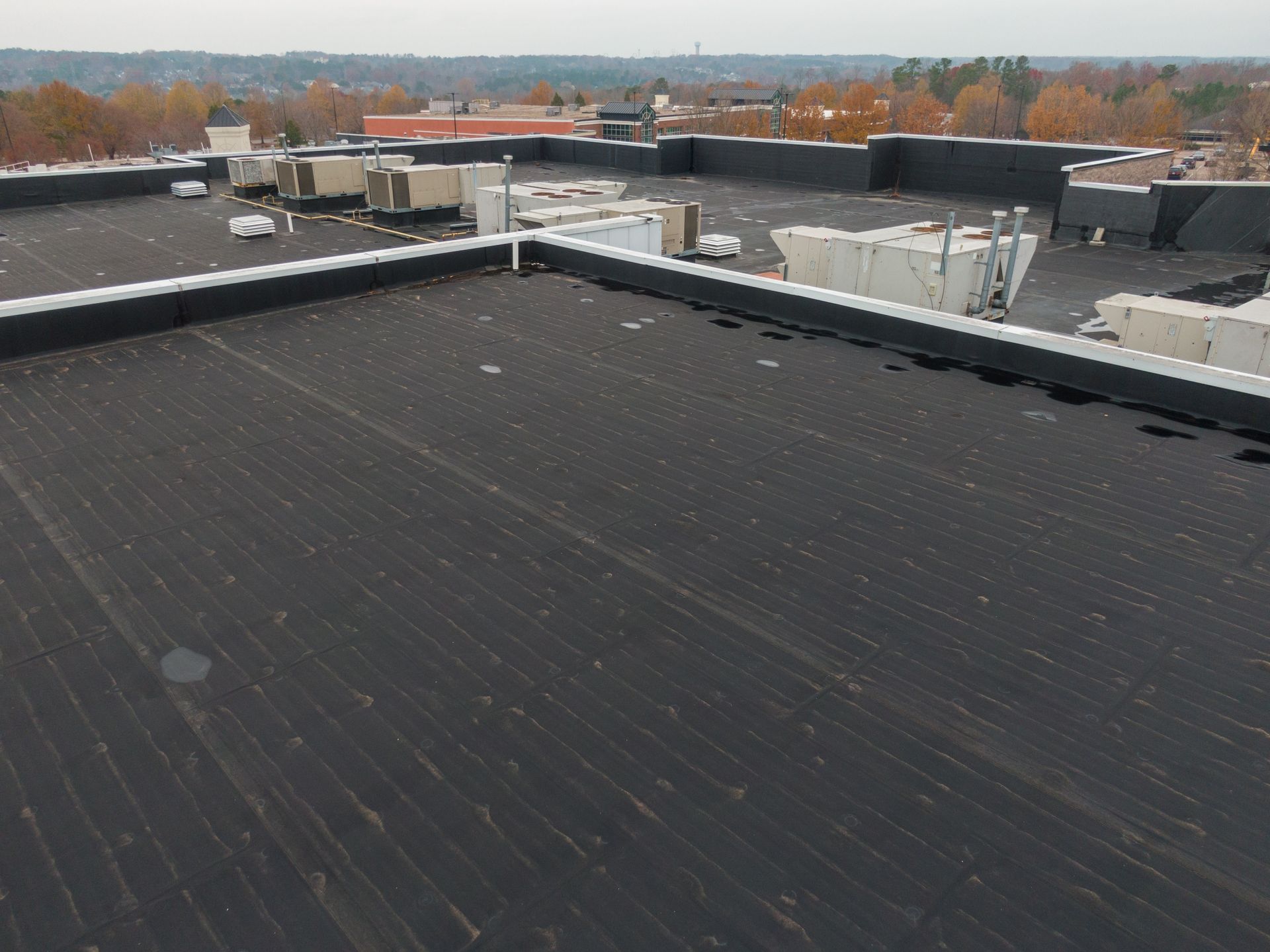
EPDM
EPDM is another common commercial roofing membrane, often used on flat and low-slope commercial roofs.
It may be evaluated when the existing building conditions, drainage needs, budget, and ownership plan support an EPDM system.
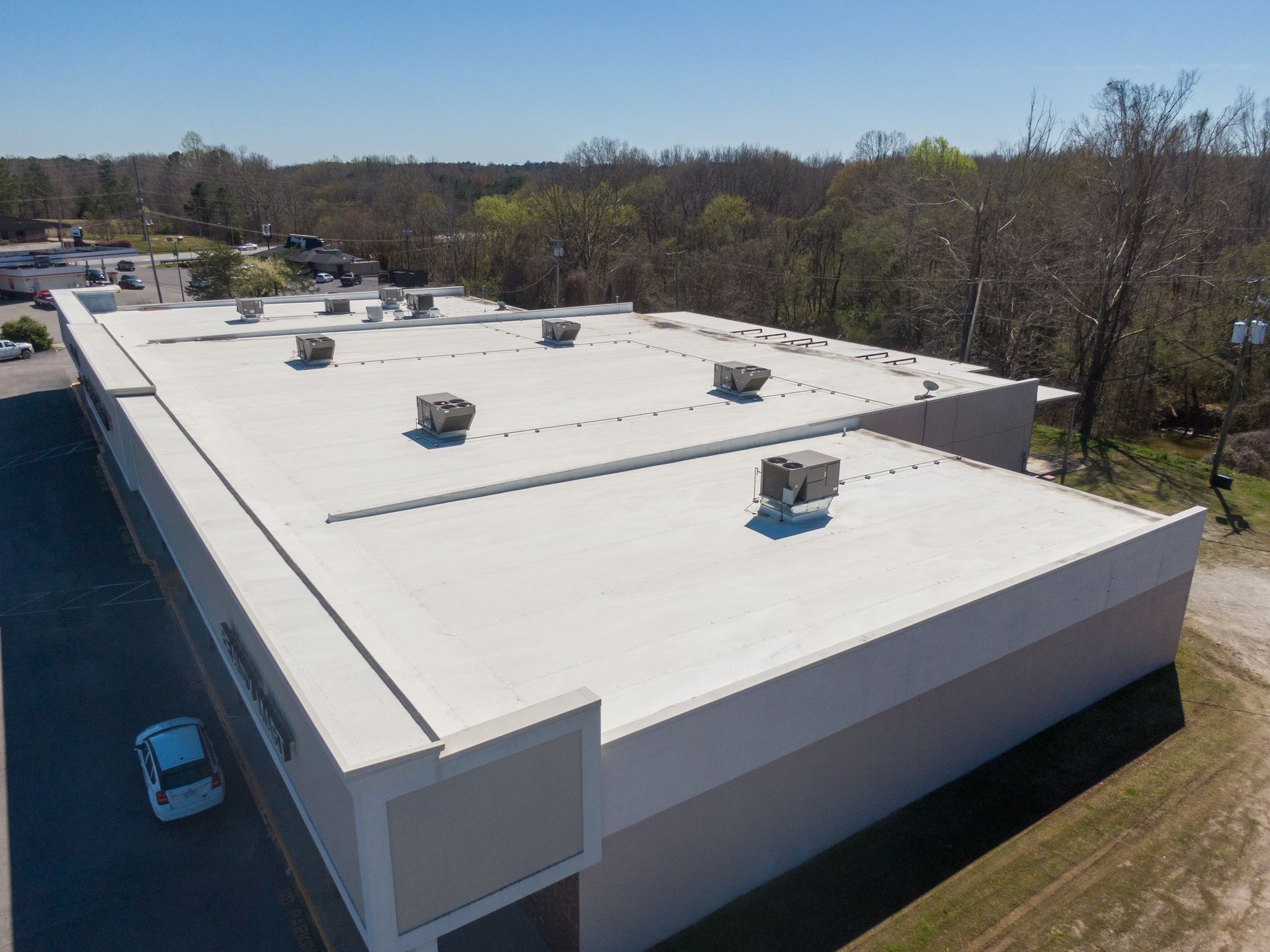
PVC
PVC roofing may be considered for certain commercial buildings depending on roof conditions, building use, and system requirements.
Like other single-ply membranes, PVC needs careful installation around seams, flashing, penetrations, drainage, and rooftop equipment.
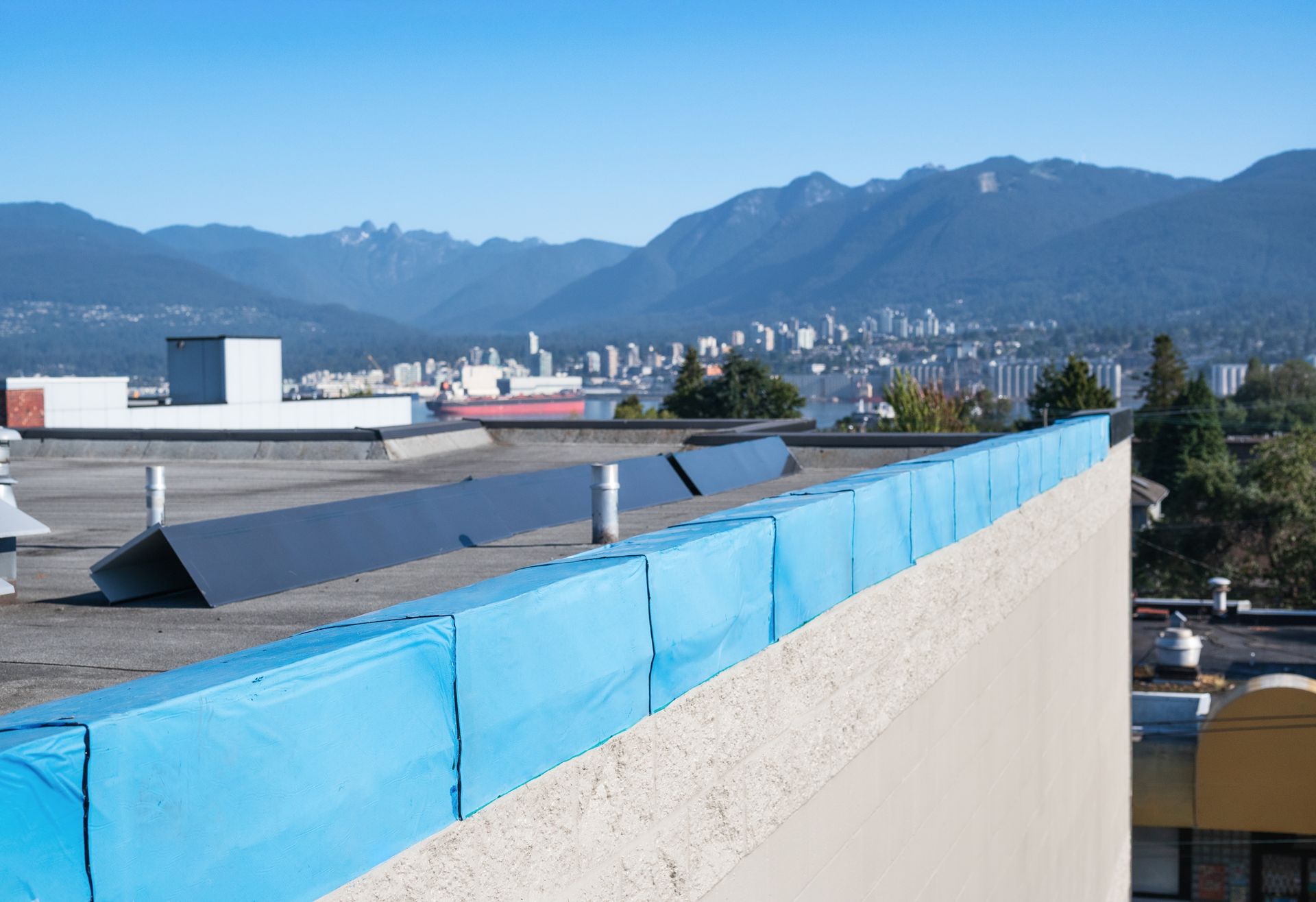
MODIFIED BITUMEN
Modified bitumen may be appropriate for certain low-slope commercial roofs.
The right fit depends on the building, existing roof system, drainage patterns, weather exposure, and installation requirements.
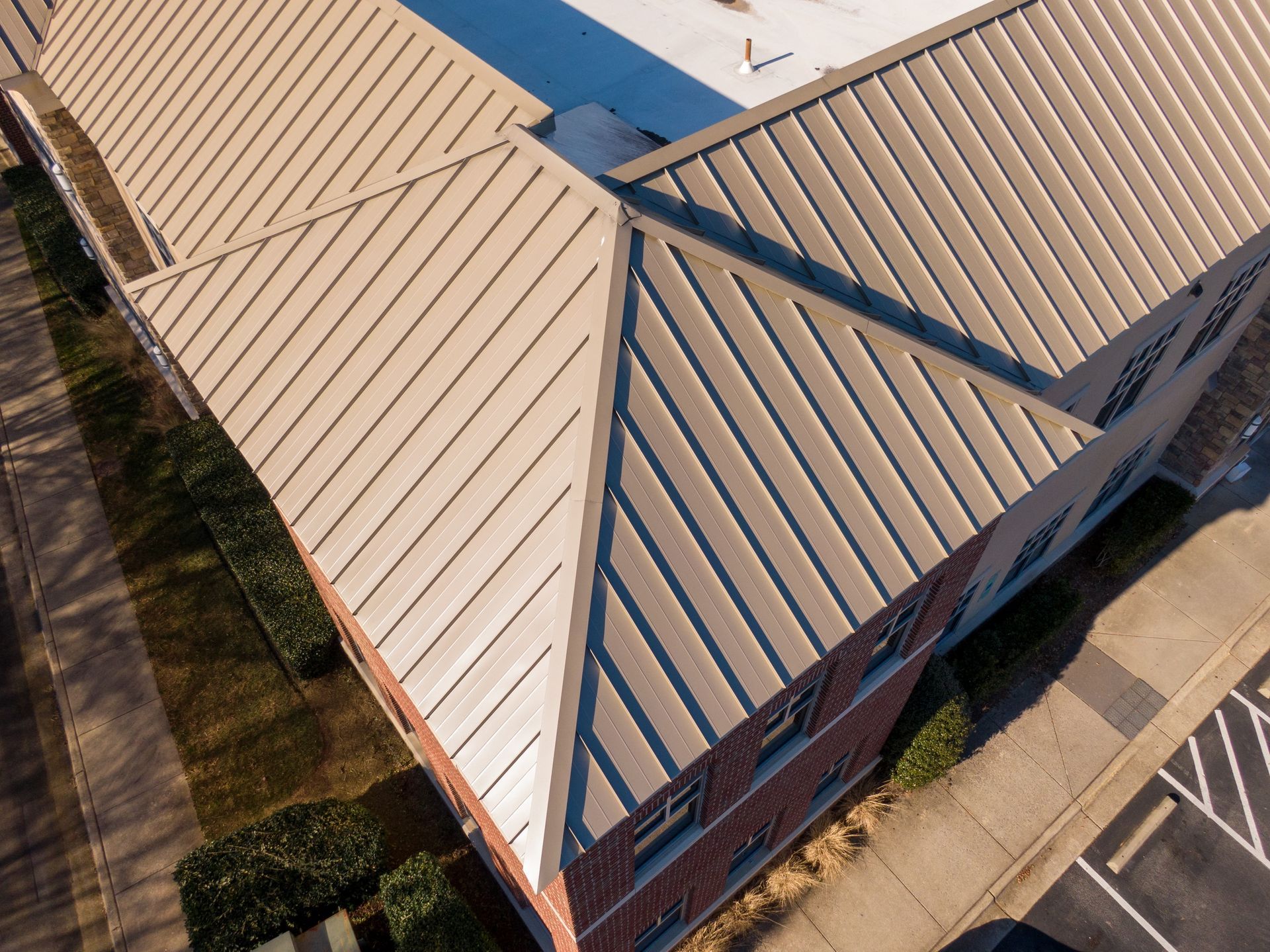
METAL
Metal roofing may be a strong replacement option for certain commercial buildings, especially where roof slope, structure, water-shedding, and long-term durability support it.
Commercial metal roof replacement may apply to warehouses, industrial-style buildings, retail structures, steep-slope commercial areas, or buildings with metal roof sections that are no longer performing.
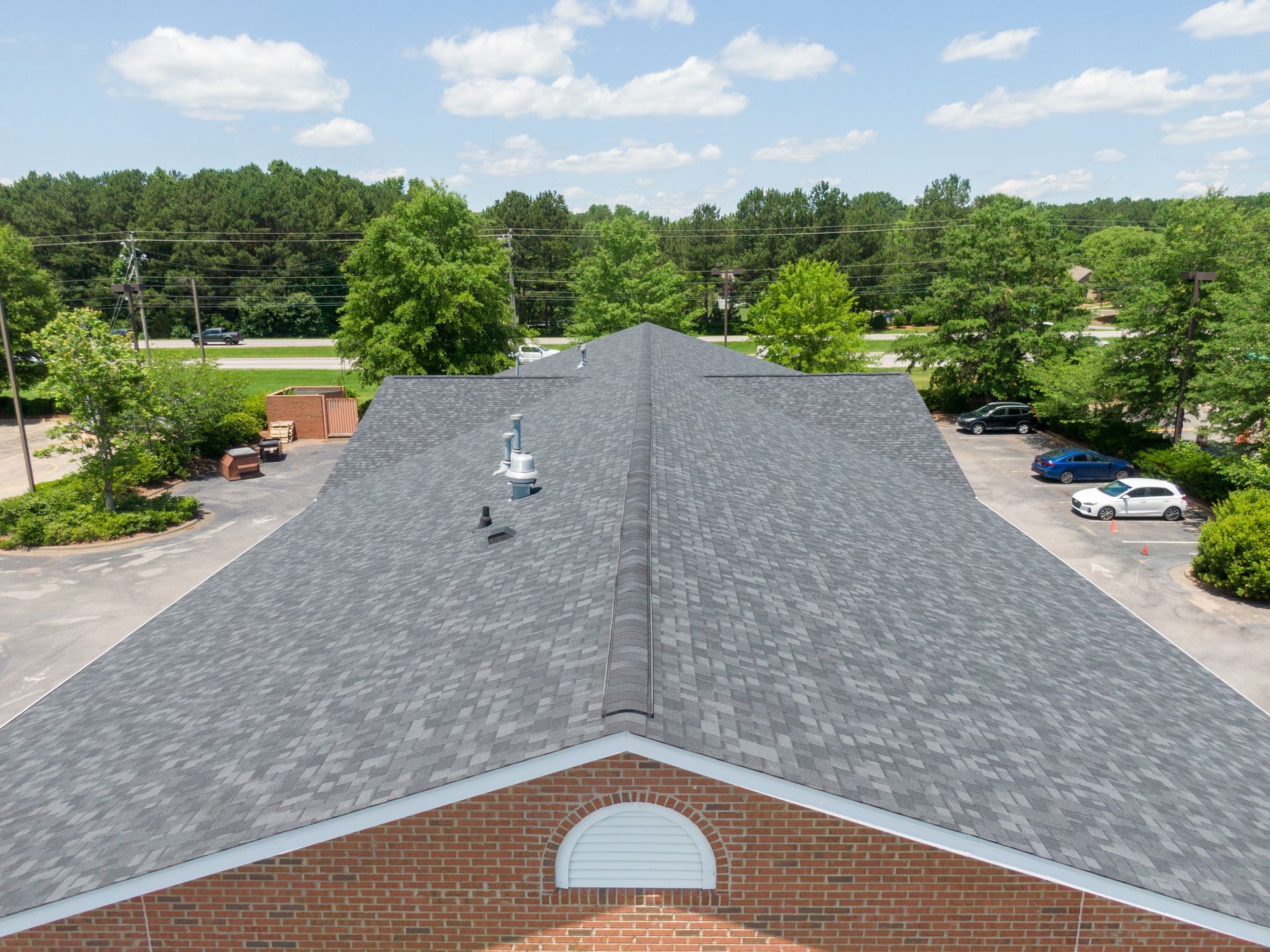
ASPHALT SHINGLE
Some commercial properties have steep-slope roof sections that use asphalt shingles.
This can apply to mixed-use properties, offices, retail buildings, clubhouses, apartment-style buildings, and light commercial properties with residential-style rooflines.
Code, Inspection, and R-Value Considerations
Commercial roof replacement may involve code and inspection requirements that are different from residential roofing.
In some regulated markets, especially where flat roof work is closely reviewed, a commercial roof may need to address insulation values, drainage, fire ratings, access, existing roof layers, or other building code details before the work can pass inspection.
This matters because a simple patch may not resolve the larger issue if the roof no longer meets current expectations or if replacement triggers code-related requirements.
Commercial code and inspection conversations may include:
- Local permit requirements
- Inspection process for commercial roofing work
- Insulation or R-value requirements where applicable
- Tear-off versus recover limitations
- Existing roof layer concerns
- Drainage and ponding water issues
- Fire rating or material requirements
- Manufacturer installation standards
- Documentation needed for owners, managers, or inspectors
Cloverfield helps commercial clients understand which requirements may affect the project before the replacement plan is finalized.
Manufacturer Warranty Options
Commercial roofing warranties depend on the selected roof system, manufacturer requirements, installation method, contractor qualifications, roof condition, and project documentation.
Cloverfield can help property owners understand available warranty opportunities based on the commercial roofing system selected.
A commercial warranty conversation may include:
Commercial owners should review the actual warranty terms before approving a replacement system.
Annual Maintenance and Warranty Compliance
Some commercial roof warranties may require regular inspections, annual maintenance, or documented roof care to stay compliant.
That does not mean Cloverfield should advertise a maintenance plan before the program is confirmed. It does mean commercial property owners should understand that warranty coverage may come with owner responsibilities after installation.
Warranty-related maintenance requirements may include:
Cloverfield can explain manufacturer maintenance expectations tied to the selected roof system. A formal commercial maintenance plan should only be promoted once the details are confirmed.
Commercial Roof Replacement Planning
A commercial roof replacement should be planned before crews arrive.
Commercial properties often have tenants, customers, employees, deliveries, parking areas, rooftop equipment, and active operations that must be considered during the project.
Replacement planning may involve:
- Roof access and crew staging
- Material delivery and loading logistics
- Tenant or occupant communication needs
- Safety planning around active businesses
- Parking lot, sidewalk, and entrance access
- Tear-off, recover, or disposal planning
- Rooftop unit and penetration coordination
- Weather timing and project sequencing
- Interior protection concerns beneath active leak areas
- Cleanup expectations around the building
- Documentation for property owners or managers
A well-planned commercial replacement helps reduce disruption and gives decision-makers a clearer process from inspection through completion.
Protecting Tenants, Inventory, and Operations
Commercial roof replacement is often about reducing disruption as much as replacing materials.
A failing roof can affect the people and property inside the building. Tenants may be trying to run businesses, customers may be entering storefronts, employees may be working below the roof, and inventory or equipment may be stored beneath vulnerable areas.
A replacement plan should consider:
The roof replacement process should be organized around the building, not just the roof surface.
Storm-Damaged Commercial Roof Replacement
Hail, wind, heavy rain, and debris can damage commercial roofing systems.
Storm damage may affect membranes, metal panels, asphalt shingles, edge details, rooftop accessories, gutters, drains, flashing, and penetrations. Some damage is visible immediately. Other damage shows up later through leaks, ponding water, or tenant complaints.
Storm-related commercial replacement concerns may include:
- Hail impact on membrane, metal, vents, or rooftop accessories
- Wind damage at roof edges, coping, or perimeter details
- Punctures from debris or rooftop equipment movement
- Seams, laps, or flashing affected by storm movement
- Drainage problems after blocked or damaged roof drains
- Interior leaks reported after severe weather
- Asphalt shingle damage on steep-slope commercial sections
- Metal roof dents, fastener issues, or panel movement
- Replacement needs when damage is widespread
Cloverfield can inspect visible storm damage, document roof conditions, and help commercial owners understand whether repair or replacement should be discussed.
Property Protection During Commercial Roof Replacement
Commercial roof replacement should include a clear plan for protecting the building, property, and surrounding access areas.
Roof replacement can involve material delivery, tear-off debris, ladders, equipment, staging, foot traffic, fasteners, and cleanup around active commercial properties.
Property protection planning may include care around:
- Customer entrances, sidewalks, and parking areas
- Tenant access points and delivery zones
- Landscaping, signage, lighting, and exterior finishes
- Windows, doors, storefronts, gutters, and downspouts
- Rooftop units, vents, curbs, drains, and penetrations
- Material staging, disposal areas, and crew access routes
- Debris control during tear-off or installation
- Final cleanup around the building after work is complete
For higher-value, historic, mixed-use, or tenant-sensitive properties, this planning becomes even more important. These buildings may have active businesses, residential units, storefront glass, custom exterior materials, mature landscaping, or access concerns that need extra coordination before the project starts.
Proudly Serving Commercial Properties Across the Midwest and Florida
Cloverfield Roofing helps commercial property owners and managers evaluate roof replacement needs based on the building, existing roof system, weather exposure, and local requirements in each market served.
Missouri
Ellisville,
Greater St. Louis Region and Surrounding Communities
Illinois
Edwardsville,
Metro East Communities
and Surrounding Areas
Wisconsin
Serving select communities throughout the state
Florida
Lakeland,
Central Florida and Surrounding Areas
Commercial roof replacement availability, roof systems, manufacturer warranty opportunities, permitting, inspection requirements, and project scope may vary by location.
The Cloverfield Commercial Roof Replacement Difference
Commercial roof replacement should be based on inspection, documentation, system selection, and long-term property protection.
Cloverfield helps commercial clients understand when replacement is the responsible next step and which roofing system fits the building.
Replacement-Focused Recommendations
Cloverfield helps owners avoid the cycle of repeated patching when the roof is too far gone for reliable repairs.
Flat Roof System Selection
TPO, EPDM, PVC, modified bitumen, metal, and asphalt shingle systems can be evaluated based on building needs.
Inspection and Documentation
Visible roof conditions, leak history, drainage concerns, storm damage, and system details can be documented before recommendations are made.
Tenant and Operations Awareness
Commercial roofing work should account for tenants, inventory, parking, deliveries, entrances, and business operations.
Warranty Guidance
Manufacturer warranty opportunities depend on the system, installation details, documentation, and owner responsibilities after installation.
Code and Inspection Awareness
Commercial roof replacement may involve code, permit, insulation, drainage, or inspection requirements depending on the market.
Frequently Asked Questions About Commercial Roof Replacement
When should a commercial roof be replaced?
Commercial roof replacement may be needed when the roof has recurring leaks, widespread damage, failing seams, saturated insulation, ponding water, storm damage, aging materials, or repairs that are no longer holding.
A commercial inspection can help determine whether replacement is the better option.
Is it better to patch or replace a commercial roof?
It depends on the roof condition.
A patch may be practical for isolated damage on a roof that is otherwise performing. Replacement may be more responsible when the roof is leaking repeatedly, failing across multiple areas, or creating risk for tenants, inventory, operations, or interior finishes.
What are the risks of delaying commercial roof replacement?
Delaying replacement can lead to repeat leaks, interior damage, mold concerns, tenant complaints, damaged inventory, safety hazards, liability issues, and higher long-term repair costs.
What commercial roofing systems can Cloverfield evaluate?
Cloverfield can evaluate TPO, EPDM, PVC, modified bitumen, metal roofing, and asphalt shingle roofing for applicable steep-slope commercial sections.
System availability may vary by market and project scope.
How do I choose the right commercial roof system?
The right system depends on roof slope, drainage, existing roof type, building use, rooftop equipment, local weather, code requirements, warranty goals, and budget.
Cloverfield can explain the options based on the building.
Can a commercial roof replacement help stop recurring leaks?
Yes, when the leaks are caused by a failing roof system.
Replacement can address widespread membrane failure, flashing issues, drainage concerns, saturated materials, and aging components that patching may not solve.
Do commercial roof replacements require permits or inspections?
Permit and inspection requirements vary by location.
Commercial roof replacement may also involve code requirements related to insulation, drainage, fire ratings, existing roof layers, or other building-specific details.
What are R-value requirements for commercial roofs?
R-value requirements can vary by location, building type, code version, and project scope.
In some markets, insulation requirements may affect commercial roof replacement. The project should be reviewed for local code and inspection requirements before work begins.
Does Cloverfield offer commercial roof warranties?
Cloverfield can explain available manufacturer warranty opportunities based on the selected commercial roof system and project requirements.
Specific warranty terms, workmanship coverage, manufacturer requirements, and annual maintenance responsibilities should be confirmed before publishing or finalizing the project.
Does a commercial roof warranty require maintenance?
Some manufacturer warranties may require regular inspections, annual maintenance, documentation, or owner responsibilities.
The exact requirements depend on the selected roof system and warranty terms.
Does Cloverfield offer commercial maintenance plans?
Commercial maintenance plans should not be advertised until Cloverfield confirms the program details.
For now, Cloverfield can explain maintenance requirements tied to manufacturer warranties and help owners understand what may be expected after installation.
Can Cloverfield replace storm-damaged commercial roofs?
Yes. Cloverfield can inspect visible storm damage on commercial roofs and help owners understand whether repair or replacement should be discussed.
Storm damage may involve hail, wind, debris, flashing, edge metal, membranes, metal panels, or asphalt shingles.
Can commercial customers use the online roofing estimate tool?
No. The online estimate tool is intended for residential roofing projects.
Commercial roof replacement requires a project-specific inspection and estimate based on the building, roof system, access, drainage, and scope.
What areas does Cloverfield Roofing serve for commercial roof replacement?
Cloverfield Roofing serves communities in Missouri, Illinois, Wisconsin, and Kansas, including the Greater St. Louis Region, Metro East communities, select Wisconsin communities, Wichita, and surrounding Greater Wichita areas.
Commercial service availability may vary by location.
What Our Customers Are Saying
I recently purchased a rental property in Kirkwood and discovered it had existing storm damage from a previous hailstorm. Edward came out, tarped the roof, and provided a detailed set of photos. The team at Cloverfield is knowledgeable and will help you get your roof done right!
Joe Poulin
Thank you again Cloverfield Roofing and Construction! Recommended by a friend, I used Cloverfield to help me fix my roof. I had no idea what I was doing. After calling other companies the night before and not receiving any help I made a call first thing in the morning and had River come out to my home the same day. Thank you for your patience as I know I had a lot of questions. Well def use this company again!
Antoinette Allen
I highly recommend going with Cloverfield roofing. They were extremely knowledgeable and kept me informed throughout the entire process. I am very pleased with everything and will be sticking with this company any time needed in the future.
Kaitlyn Cooper
Dealing with insurance was a headache after the recent storm. The team at Cloverfield stepped in and handled everything. They made sure we got the coverage we deserved and kept us updated throughout. Truly grateful for their help!
Ernesto Lopez
The quality of the new roof is excellent; it looks fantastic and appears to be very durable. What truly stood out was their efficiency and professionalism. The team worked quickly and effectively, completing the entire project in a remarkably short time frame. Furthermore, they were incredibly tidy. All old materials and debris were promptly removed, leaving my property spotless. I highly recommend them for their high-quality workmanship and exceptional service.
Huu Tang

Ready to Replace a Commercial Roof That Is No Longer Holding?
Repeated patching can become expensive when the roof system is already failing.
Cloverfield Roofing can inspect the roof, document visible concerns, explain commercial roof replacement options, and help you choose a system that fits the building and ownership plan.