
Commercial Roofing Systems
Serving commercial properties throughout Missouri, Illinois, Wisconsin, and Kansas
The right commercial roof system depends on the building, not just the material name.
Cloverfield Roofing helps commercial property owners and managers compare roofing systems based on roof slope, drainage, building use, existing roof conditions, budget, insulation needs, foot traffic, local code requirements, and manufacturer warranty goals.
Commercial roofing systems may include TPO, EPDM, PVC, modified bitumen, metal roofing, and asphalt shingle roofing for applicable steep-slope commercial sections.
Choosing the Right Commercial Roof System
Commercial roofs are not one-size-fits-all.
A warehouse roof, strip mall, mixed-use building, industrial space, and property-managed building may all need different roofing recommendations. The right system depends on how the building is used, how the roof drains, what is currently installed, and what the owner expects from the roof over time.
Cloverfield Roofing helps property owners and managers evaluate commercial roofing systems with a practical replacement-focused approach.
A commercial roof system recommendation should account for:
The best commercial roof system is the one that fits the building’s actual conditions.
TPO Roofing
TPO is a common single-ply roofing membrane used on many flat and low-slope commercial buildings.
It may be a practical option for property owners looking for a commercial membrane system with manufacturer warranty opportunities, reflective roof surface options, and broad use across retail, warehouse, industrial, and property-managed buildings.
TPO roofing may be worth discussing when:
- A flat or low-slope commercial roof needs replacement
- Reflective membrane options are part of the energy conversation
- Seams, flashing, drainage, and rooftop equipment need careful planning
- The existing roof system is no longer holding repairs reliably
- A manufacturer-backed commercial roof system is important
- The building owner wants a practical replacement option for a large roof area
TPO still has to be installed correctly. Seams, attachment method, insulation, penetrations, drainage, and flashing details all affect long-term performance.
EPDM Roofing
EPDM is a commercial roofing membrane often used on flat and low-slope roofs.
It may be considered when the building, existing roof conditions, budget, drainage, and ownership goals support an EPDM system. EPDM has been used on many commercial buildings and should be evaluated based on the project’s specific needs.
EPDM roofing conversations may include:
- Current membrane condition and remaining service life
- Seam performance and past repair areas
- Flashing around walls, curbs, drains, and penetrations
- Ponding water or drainage concerns
- Insulation condition beneath the roof surface
- Roof access and rooftop equipment layout
- Manufacturer requirements tied to the selected system
- Warranty opportunities based on installation and documentation
EPDM may be the right fit for some buildings, but it should be compared against TPO, PVC, modified bitumen, metal, or other applicable commercial systems before a final recommendation is made.
PVC Roofing
PVC is another single-ply commercial roofing membrane used on certain flat and low-slope buildings.
It may be worth evaluating when the building use, roof conditions, drainage needs, rooftop equipment, and manufacturer requirements support a PVC system. Like other commercial membranes, PVC depends heavily on proper seams, flashing, attachment, and detailing around penetrations.
PVC roofing may be considered when:
- Building use calls for a specific membrane comparison
- The owner wants to review multiple single-ply system options
- Roof drainage and rooftop equipment require detailed planning
- Existing conditions support PVC as a replacement option
- Manufacturer warranty opportunities are part of the decision
- Local code and project requirements can be addressed before installation
A PVC recommendation should be based on the building’s needs, not just the fact that it is a commercial membrane option.
Modified Bitumen Roofing
Modified bitumen may be appropriate for certain low-slope commercial roofs depending on the building, existing roof, drainage, weather exposure, and replacement goals.
This system should be evaluated carefully because installation method, existing roof layers, flashing, surface condition, and drainage all affect performance.
Modified bitumen roofing may be worth discussing when:
- The building has a flat or low-slope roof area
- Existing roof layers need to be reviewed before replacement
- Surface wear, cracks, blisters, or failed patches are visible
- Flashing around walls, edges, curbs, and penetrations needs attention
- Drainage patterns must be evaluated before selecting a system
- Building access and installation conditions support the selected method
- Warranty options need to be compared against other commercial systems
Modified bitumen can be a practical commercial option for the right building, but it should not be selected without reviewing the full roof condition.
Metal Roofing
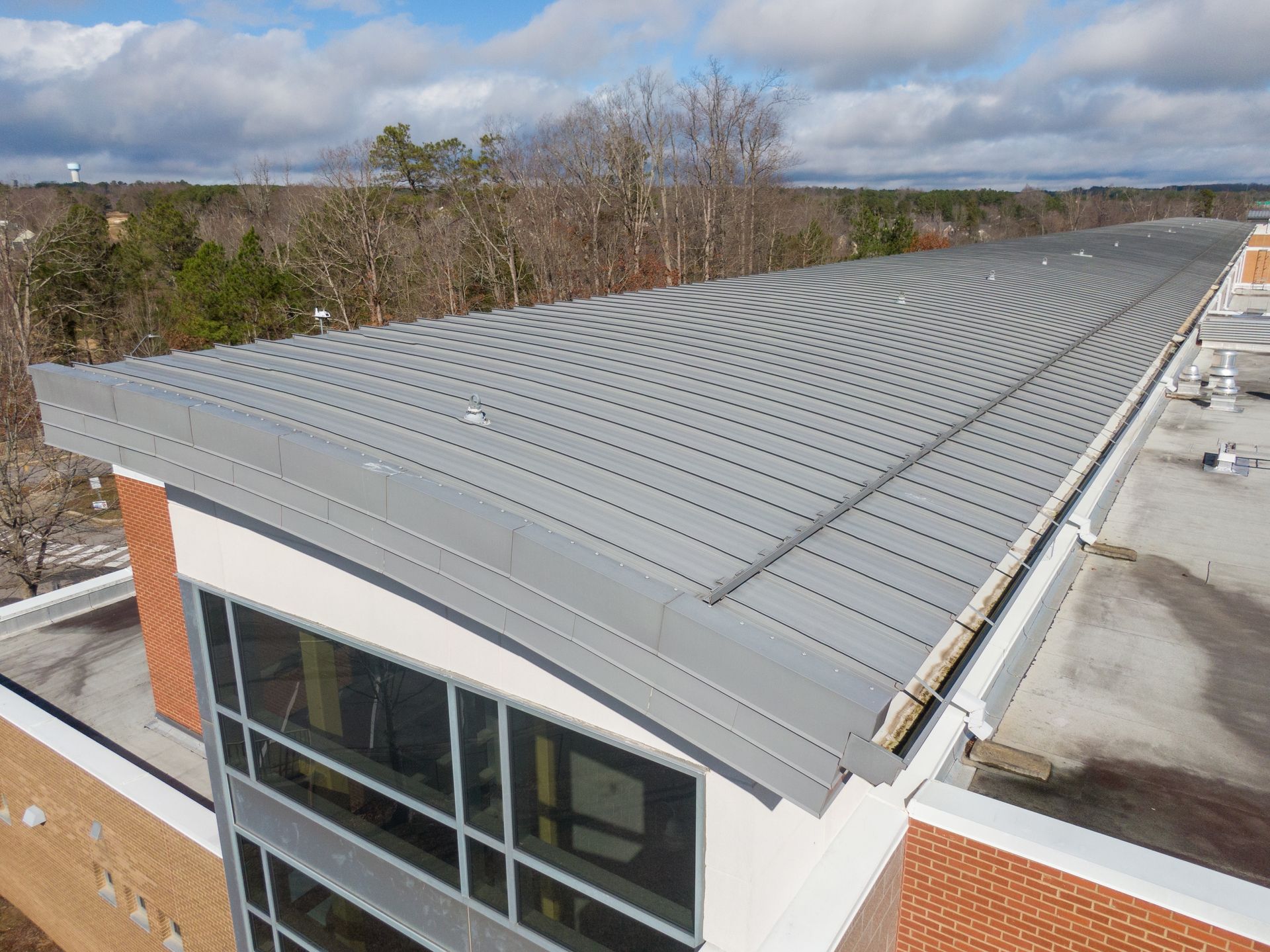
Metal roofing may be used on commercial buildings where the slope, structure, building type, and long-term goals support it.
For commercial properties, metal roofing may apply to warehouses, industrial-style buildings, steep-slope commercial sections, retail buildings, or roof areas where water-shedding and durability are major priorities.
Commercial metal roofing may be worth evaluating when:
- Roof slope supports a metal system
- Long-term durability is part of the owner’s goal
- Existing metal panels are leaking, rusting, loose, or failing
- Fasteners, seams, flashing, or penetrations need replacement planning
- Wind, hail, rain, snow, or heat exposure must be considered
- Gutters, edge details, and drainage need to coordinate with the roof
- Manufacturer warranty terms can be reviewed for the selected system
Metal roofing can be a strong commercial option, but system type, fastener method, expansion and contraction, flashing, and local code requirements all need to be reviewed.
Asphalt Shingle Roofing
Some commercial buildings have steep-slope roof sections that use asphalt shingles.
This may apply to mixed-use buildings, offices, clubhouses, apartment-style properties, smaller commercial buildings, or retail properties with residential-style rooflines.
Commercial asphalt shingle roofing may be appropriate when:
- Steep-slope roof sections are aging, leaking, or storm-damaged
- Existing shingles show widespread granule loss, curling, cracking, or missing areas
- Manufacturer asphalt shingle systems fit the building and roof design
- Flashing, gutters, valleys, and roof transitions need replacement planning
- Tenant or occupant disruption should be considered before installation
- Local code, permit, and inspection requirements affect the project
- A practical steep-slope replacement option is needed for commercial property
Asphalt shingles may be common, but commercial properties still need professional system selection, documentation, and project coordination.
What to Consider for Your commercial Roof
Choosing the right roof type starts with the building.
A roof that looks good in a photo may not be the right choice once slope, weight, weather, budget, code, and installation requirements are reviewed.
How Roof Slope Affects Commercial System Selection
Roof slope is one of the first details to evaluate.
Flat and low-slope roofs usually need commercial membrane systems designed to manage water differently than a steep-slope roof. Steep-slope commercial sections may use asphalt shingles, metal roofing, or another appropriate material depending on the building.
Existing Roof System and Repair History
The current roof tells an important story. Before selecting a new commercial roofing system, Cloverfield evaluates the existing roof type, visible condition, leak history, previous repairs, drainage patterns, and system failures.
Drainage and Ponding Water Concerns
Drainage is one of the biggest issues on commercial roofs. Flat and low-slope roofs need a clear path for water to move off the building. When water sits on the roof, it can accelerate wear, expose weak seams, stress flashing, create leak risks, and affect manufacturer warranty conversations.
Energy Goals, Insulation, and Code Requirements
Depending on the market, building type, and project scope, insulation values, reflective roof surfaces, local code requirements, fire ratings, and inspection details may affect the final roof system.
Building Use and Tenant Impact
A commercial roof protects people, property, operations, and income-producing space. System selection should account for what happens inside the building. A roof over a warehouse may have different priorities than a roof over storefronts, office space, restaurants, storage areas, residential units, or tenant-operated businesses.
Foot Traffic and Rooftop Equipment
Commercial roofs often have more rooftop activity than residential roofs. HVAC technicians, maintenance teams, property managers, satellite contractors, plumbers, electricians, and other trades may access the roof over time. That foot traffic can affect system selection and long-term roof performance.
Manufacturer Warranty Goals and Documentation
Manufacturer warranty opportunities can play a major role in commercial roof system selection. Commercial warranties may depend on the selected system, manufacturer requirements, installation method, contractor qualifications, roof condition, drainage, insulation, and documentation.
Commercial Roof Replacement vs. Continued Repairs
System selection often starts with a bigger question: Is this roof still worth repairing?
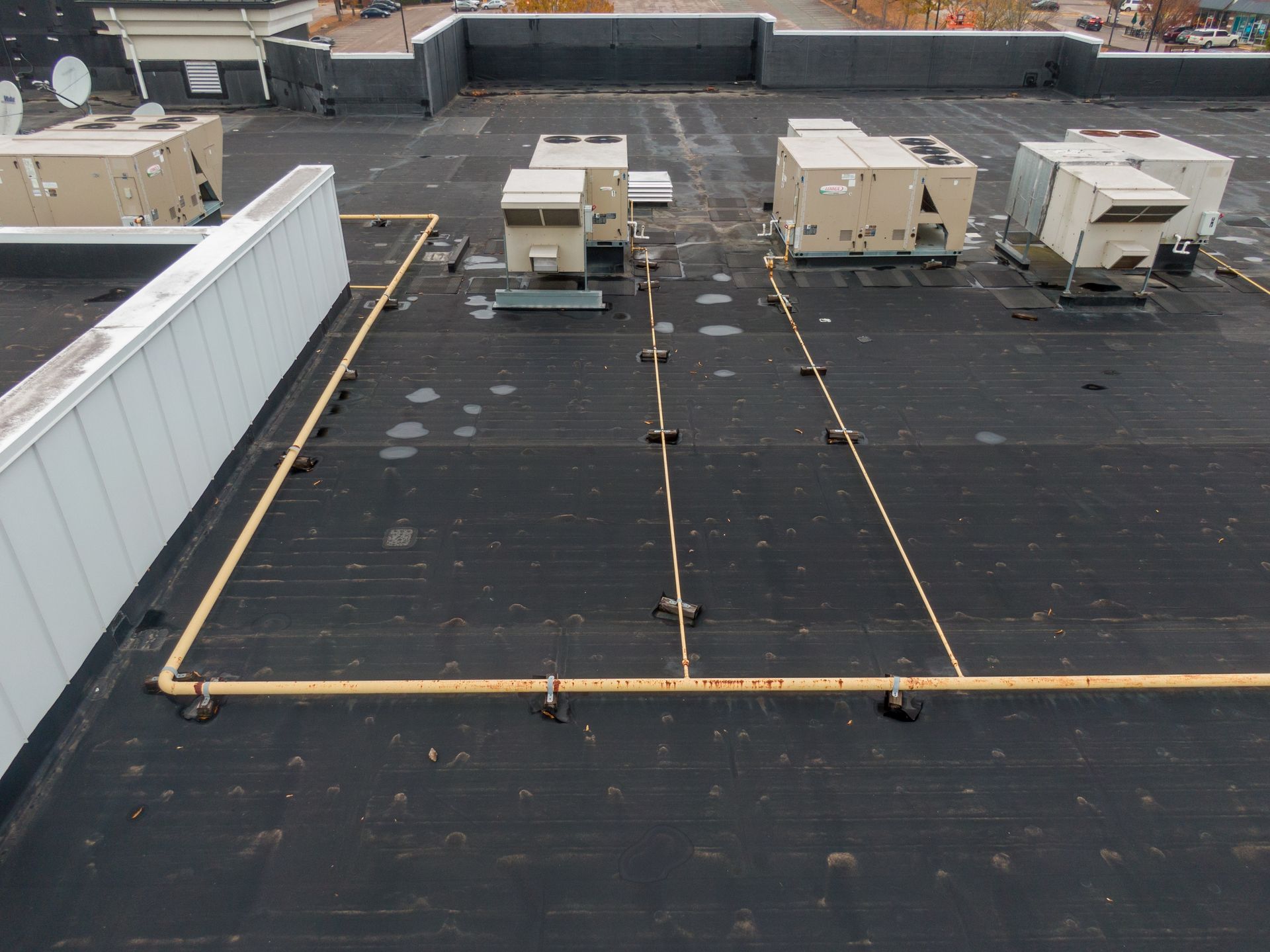
Some commercial roof issues can be repaired when damage is isolated and the surrounding system is still performing. Replacement may be the more responsible direction when the roof has widespread failure, saturated materials, repeated leaks, inspection concerns, or patchwork that no longer holds.
Replacement May Be the Better Direction When:
The system conversation should be honest. If a roof is too far gone, the better choice may be replacement instead of another short-term patch.
Repair May Be Practical When:
Storm-Damaged Commercial Roof Replacement
Storm damage can affect commercial roofing systems in different ways depending on the material.
Hail, wind, debris, and heavy rain may damage membranes, metal panels, shingles, edge details, rooftop accessories, drains, flashing, gutters, and penetrations.
Storm-related commercial system concerns may include:
- Hail impact on membranes, shingles, metal panels, or rooftop accessories
- Wind damage at roof edges, coping, perimeter metal, or shingle sections
- Punctures from debris or rooftop equipment movement
- Seams, laps, or flashing affected by storm movement
- Drainage problems after blocked or damaged roof drains
- Interior leaks reported after severe weather
- Metal fastener or panel movement after high winds
- Replacement needs when damage affects the system broadly
Cloverfield can inspect visible storm damage and help owners determine whether repair or replacement should be discussed.
Commercial Roofing Systems by Property Type
Different commercial buildings often require different roofing approaches.
A system that works well on one commercial property may not be the right fit for another.
STRIP MALLS AND RETAIL CENTERS
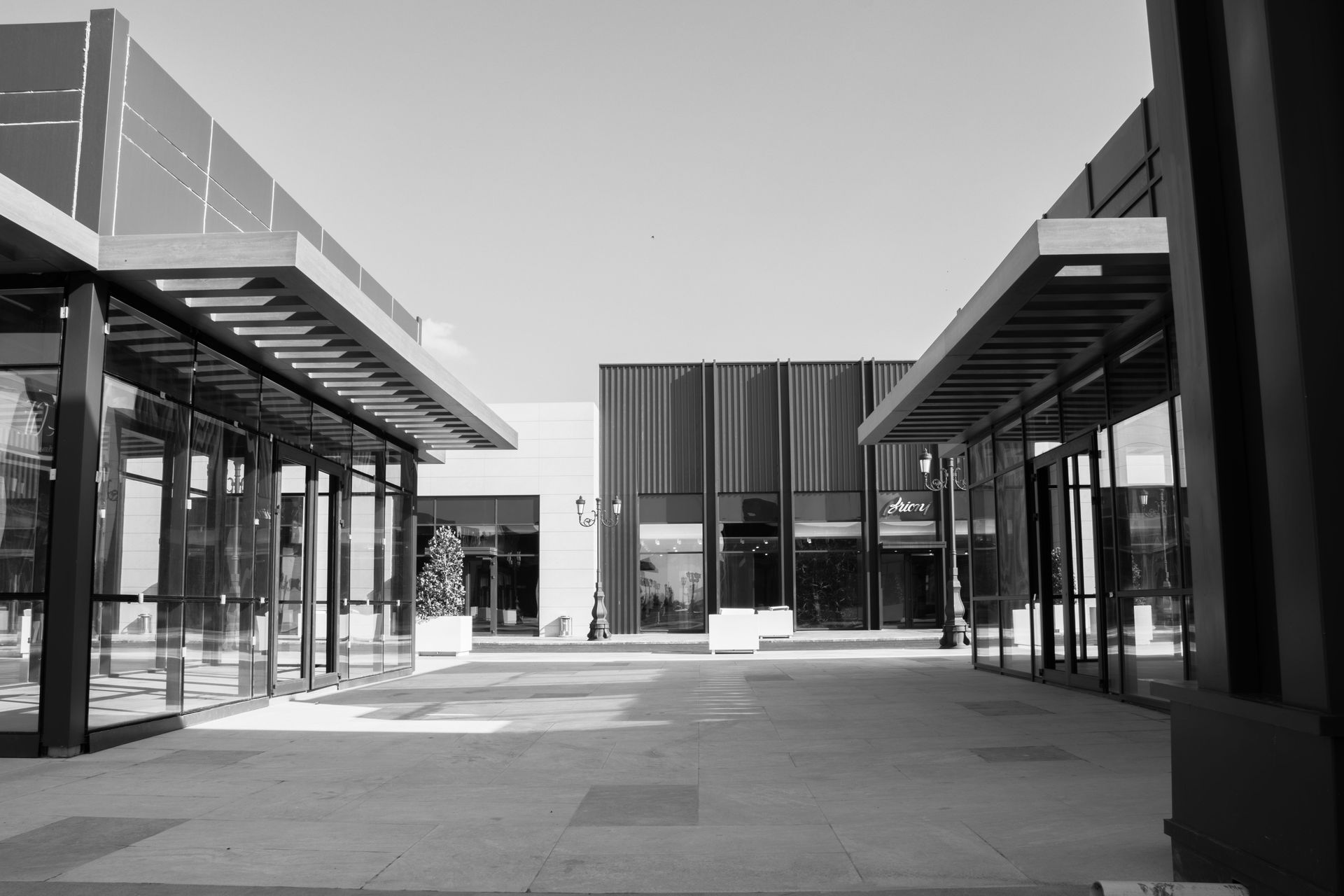
Retail properties need roofing decisions that account for tenant access, storefronts, signage, parking, rooftop equipment, drainage, and leak risks above occupied spaces.
WAREHOUSES AND INDUSTRIAL BUILDINGS
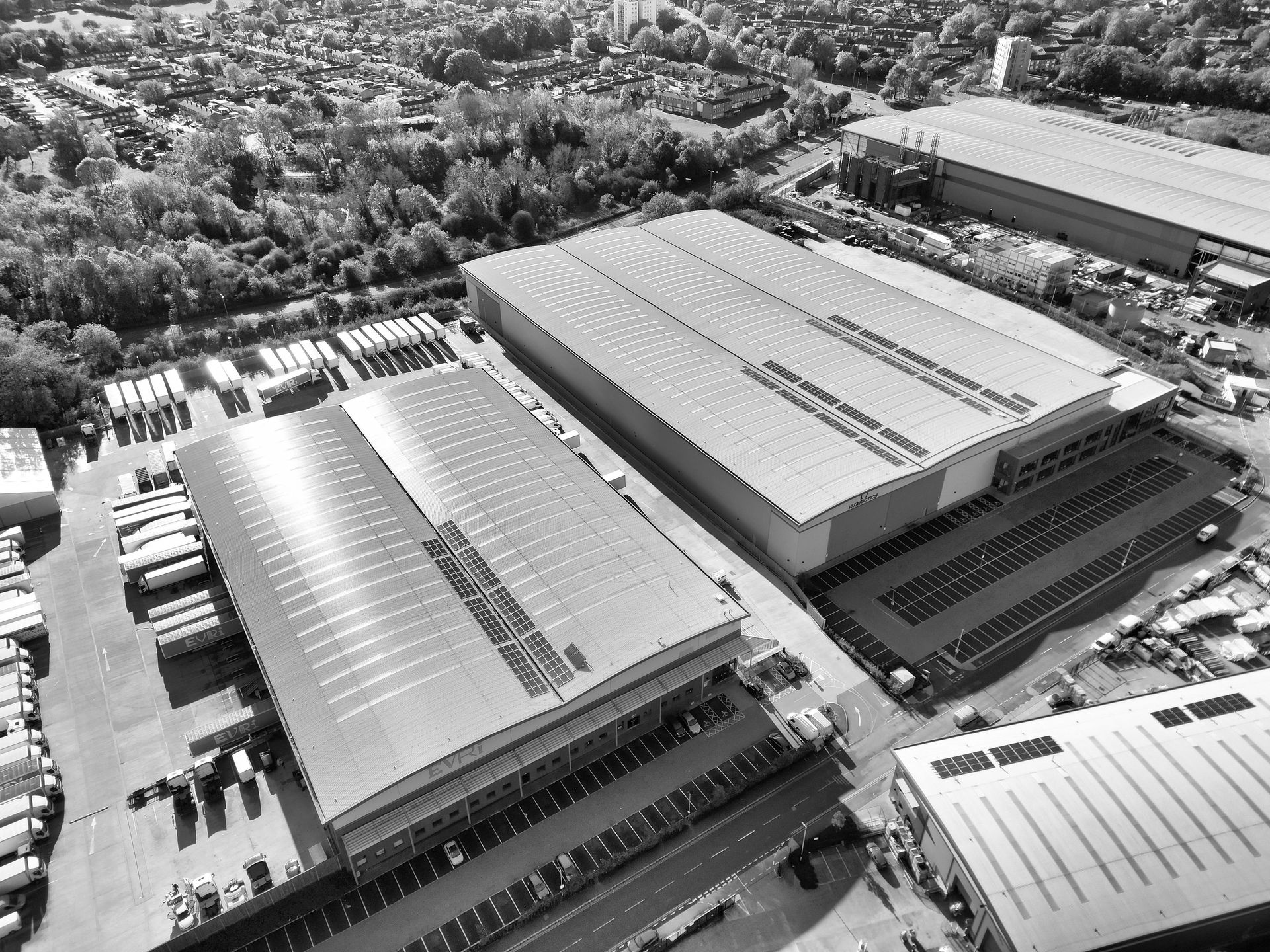
Large open-space buildings may require commercial membranes, metal roofing, drainage planning, rooftop equipment coordination, and careful scheduling around operations.
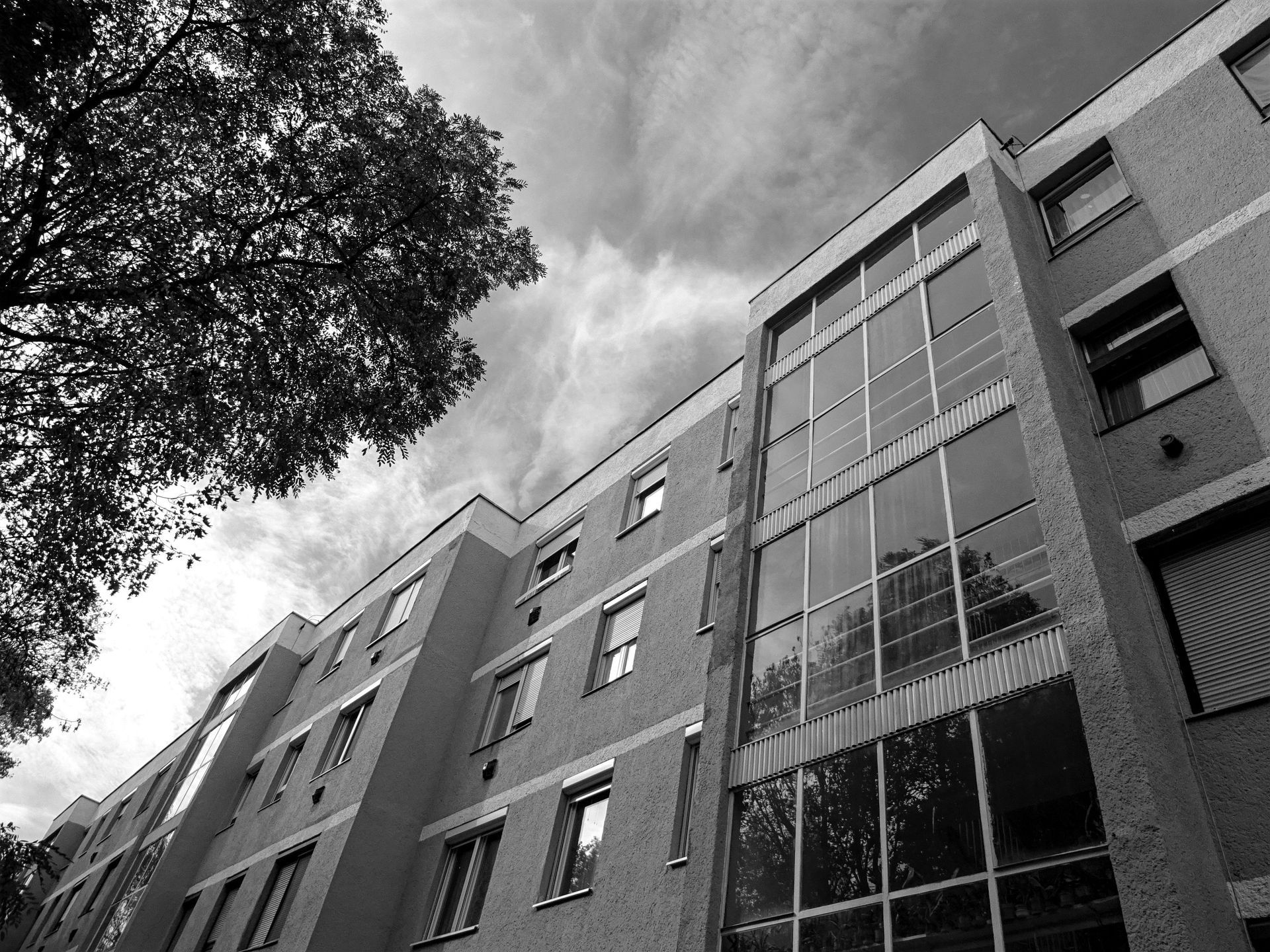
MIXED-USE BUILDINGS
Buildings with storefronts below and residential units above need roofing plans that account for tenants, access, noise, safety, and interior protection.
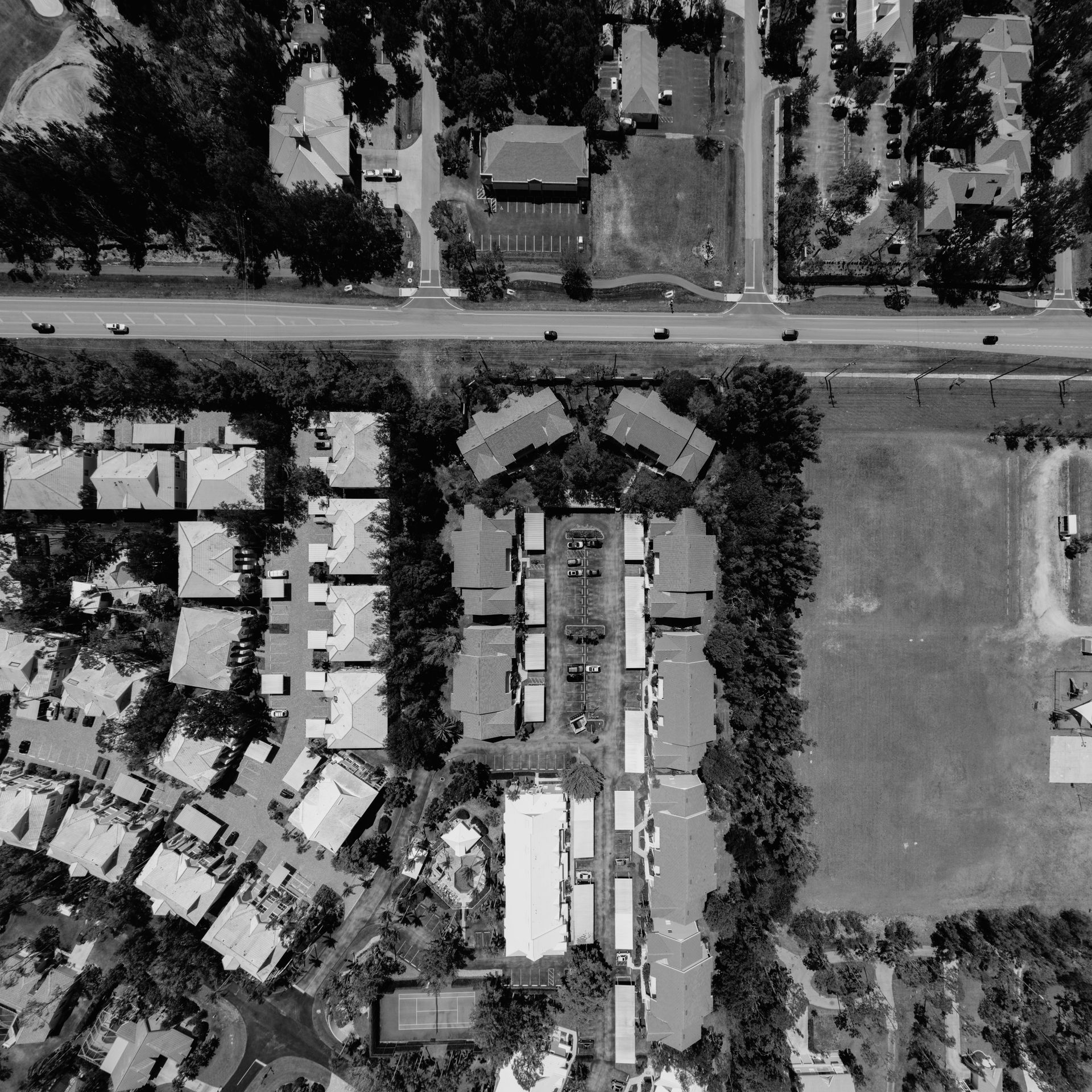
PROPERTY-MANAGED BUILDINGS
Property managers often need documentation, clear recommendations, budget planning, and communication that can be shared with owners or decision-makers.
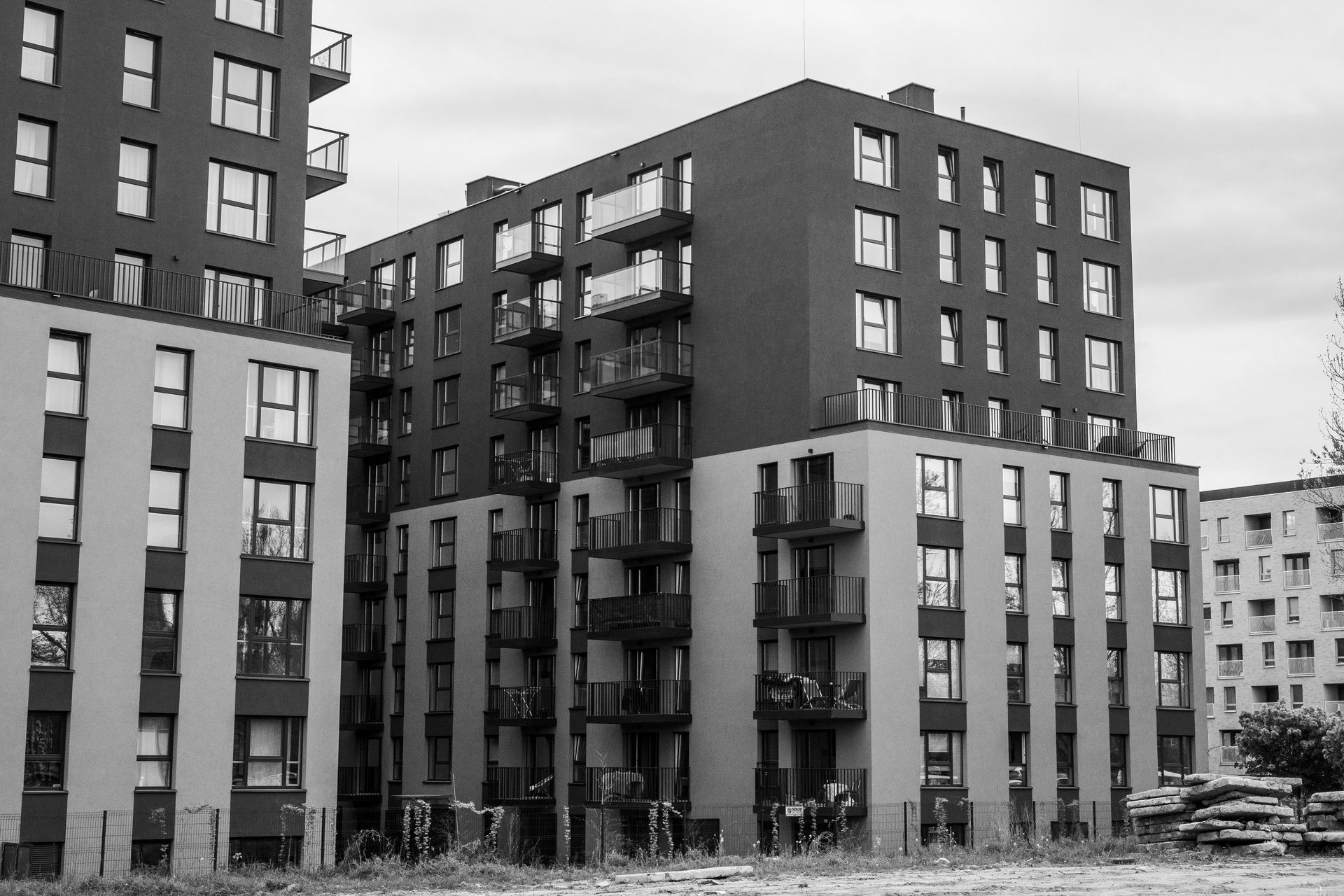
MULTIFAMILY PROPERTIES
Apartment-style or multi-tenant buildings may require careful staging, tenant communication, entry access planning, and roof system selection based on long-term property management needs.
A commercial roofing recommendation should fit the property type and ownership plan.
Property Protection During Commercial Roofing Projects
Commercial roofing work should include a clear plan for protecting the building, property, and surrounding access areas.
Roof replacement can involve material delivery, tear-off debris, ladders, equipment, staging, foot traffic, fasteners, and cleanup around active commercial properties.
Property protection planning may include care around:
For higher-value, historic, mixed-use, or tenant-sensitive properties, this planning becomes even more important. These buildings may have active businesses, residential units, storefront glass, custom exterior materials, mature landscaping, or access concerns that need extra coordination before the project starts.
Proudly Serving Commercial Properties Across the Midwest and Chicagoland
Cloverfield Roofing helps commercial property owners and managers evaluate commercial roofing systems based on the building, existing roof type, weather exposure, code requirements, and long-term ownership goals.
Missouri
Ellisville,
Greater St. Louis Region and Surrounding Areas
Illinois
Edwardsville,
Metro East Communities
and Surrounding Areas
Wisconsin
Serving select communities throughout the state
Kansas
Greater Wichita Region and Surrounding Areas
Commercial roofing system availability, manufacturer warranty opportunities, code requirements, insulation requirements, permitting, and project scope may vary by location.
The Cloverfield Commercial Difference
Commercial roof system selection should be based on the building’s condition, use, drainage, budget, and long-term plan.
Cloverfield helps commercial property owners and managers compare system options before committing to a replacement direction.
System-Based Recommendations
Commercial roofs are evaluated by slope, drainage, existing roof type, building use, rooftop equipment, insulation needs, and warranty goals.
Broad Commercial System Evaluation
TPO, EPDM, PVC, modified bitumen, metal, and asphalt shingle systems can be reviewed based on the building and project scope.
Replacement-Focused Planning
When a roof is too far gone for patching, Cloverfield helps owners understand the value of replacement over repeated repairs.
Documentation for Decision-Makers
Owners, managers, tenants, and stakeholders often need clear documentation before approving commercial roof work.
Code and Insulation Awareness
Commercial roof replacement may involve permit, inspection, insulation, R-value, fire rating, or drainage requirements depending on the market.
Warranty Guidance
Manufacturer warranty opportunities depend on the selected system, installation requirements, documentation, and owner responsibilities.
Frequently Asked Questions About Commercial Roofing Systems
What are the most common commercial roofing systems?
Common commercial roofing systems include TPO, EPDM, PVC, modified bitumen, metal roofing, and asphalt shingle roofing for applicable steep-slope commercial sections.
The right system depends on the building and project scope.
How do I choose the best commercial roofing system?
The best system depends on roof slope, drainage, existing roof condition, building use, rooftop equipment, insulation needs, budget, local code, and manufacturer warranty goals.
A commercial roof inspection can help narrow the options.
Is TPO better than EPDM?
Not always.
TPO and EPDM are different commercial membrane systems. The better choice depends on the building, drainage, existing roof, budget, installation requirements, and warranty goals.
When is PVC roofing used?
PVC may be evaluated for certain flat or low-slope commercial buildings depending on building use, roof conditions, drainage, manufacturer requirements, and project goals.
What is modified bitumen roofing?
Modified bitumen is a low-slope commercial roofing system that may be used on certain buildings depending on roof access, existing roof type, drainage, flashing needs, and installation method.
Can metal roofing be used on commercial buildings?
Yes. Metal roofing may be used on certain commercial buildings when the slope, structure, design, and long-term goals support it.
Metal roof system selection should account for fastening, flashing, expansion and contraction, drainage, and weather exposure.
Can asphalt shingles be used on commercial buildings?
Yes, when the building has applicable steep-slope roof sections.
Commercial asphalt shingles may be used on mixed-use buildings, offices, clubhouses, apartment-style properties, or light commercial buildings with residential-style rooflines.
Which commercial roof system is best for a flat roof?
Flat and low-slope commercial roofs may use systems such as TPO, EPDM, PVC, or modified bitumen.
The best fit depends on drainage, insulation, existing roof type, rooftop equipment, budget, and manufacturer warranty goals.
Do commercial roof systems come with warranties?
Yes, warranty opportunities may be available depending on the roof system, manufacturer, installation method, documentation, and project requirements.
Specific warranty terms should be reviewed before the project is approved.
Does Cloverfield offer Carlisle roofing systems?
Cloverfield should not claim Carlisle certification unless certification is confirmed.
Manufacturer options and warranty opportunities should be reviewed based on the selected commercial roof system and project requirements.
Does Cloverfield offer roof coatings?
Commercial roof coatings should not be advertised unless Cloverfield confirms that service is ready to promote.
This page should stay focused on commercial roof system selection and replacement.
Does Cloverfield offer leak detection?
Commercial leak detection should not be advertised as a standalone service unless Cloverfield confirms that offering.
For now, Cloverfield can inspect visible commercial roof conditions and explain repair versus replacement options.
Can commercial customers use the online roofing estimate tool?
No. The online estimate tool is intended for residential roofing projects.
Commercial roofing requires a project-specific inspection and estimate based on the building, roof system, access, drainage, and scope.
What areas does Cloverfield Roofing serve for commercial roofing systems?
Cloverfield Roofing serves communities in Missouri, Illinois, Wisconsin, and Kansas, including the Greater St. Louis Region, Metro East communities, select Wisconsin communities, Wichita, and surrounding Greater Wichita areas.
Commercial system availability may vary by location.
What Our Customers Are Saying
I recently purchased a rental property in Kirkwood and discovered it had existing storm damage from a previous hailstorm. Edward came out, tarped the roof, and provided a detailed set of photos. The team at Cloverfield is knowledgeable and will help you get your roof done right!
Joe Poulin
Thank you again Cloverfield Roofing and Construction! Recommended by a friend, I used Cloverfield to help me fix my roof. I had no idea what I was doing. After calling other companies the night before and not receiving any help I made a call first thing in the morning and had River come out to my home the same day. Thank you for your patience as I know I had a lot of questions. Well def use this company again!
Antoinette Allen
I highly recommend going with Cloverfield roofing. They were extremely knowledgeable and kept me informed throughout the entire process. I am very pleased with everything and will be sticking with this company any time needed in the future.
Kaitlyn Cooper
Dealing with insurance was a headache after the recent storm. The team at Cloverfield stepped in and handled everything. They made sure we got the coverage we deserved and kept us updated throughout. Truly grateful for their help!
Ernesto Lopez
The quality of the new roof is excellent; it looks fantastic and appears to be very durable. What truly stood out was their efficiency and professionalism. The team worked quickly and effectively, completing the entire project in a remarkably short time frame. Furthermore, they were incredibly tidy. All old materials and debris were promptly removed, leaving my property spotless. I highly recommend them for their high-quality workmanship and exceptional service.
Huu Tang

Ready to Compare Commercial Roofing Systems?
A commercial roof system should fit the building, drainage, budget, code requirements, and long-term ownership plan.
Cloverfield Roofing can inspect the roof, document visible conditions, explain system options, and help you determine which commercial roof replacement path makes sense.