
Roofing Types
Serving Communities Throughout Missouri, Illinois, Wisconsin, and Kansas
The right roof type depends on more than appearance. Cloverfield Roofing helps homeowners and property owners compare roofing systems based on the building, roof slope, local weather, budget, design goals, code requirements, and available warranty options.
Asphalt shingle roofing is Cloverfield Roofing's specialty and most common request, but some homes may call for metal, slate, tile, cedar shake, synthetic roofing, or residential flat roof systems.
Our team helps you understand which roof type fits the structure, what the installation requires, and what tradeoffs come with each material.
Roofing Materials Should Fit the Building, Not Just the Style.
A roof should look right on the home, but it also has to perform correctly.
The material you choose affects weight, drainage, ventilation, maintenance, durability, installation requirements, warranty options, and long-term cost. A roofing material that works well on one home may not be the best fit for another.
Before recommending a roof type, Cloverfield considers details such as:
The goal is not just to choose a roof that looks good on day one. The goal is to choose a system that makes sense for the home, the market, and the way the roof needs to perform.
Roofing Types Cloverfield Can Help You Evaluate
Cloverfield Roofing can help property owners compare several roofing types depending on the project, location, and structure.
Some roofing systems are common residential choices. Others are specialty materials that require a more detailed review before installation. Availability, product options, installation requirements, and warranty opportunities may vary by market.
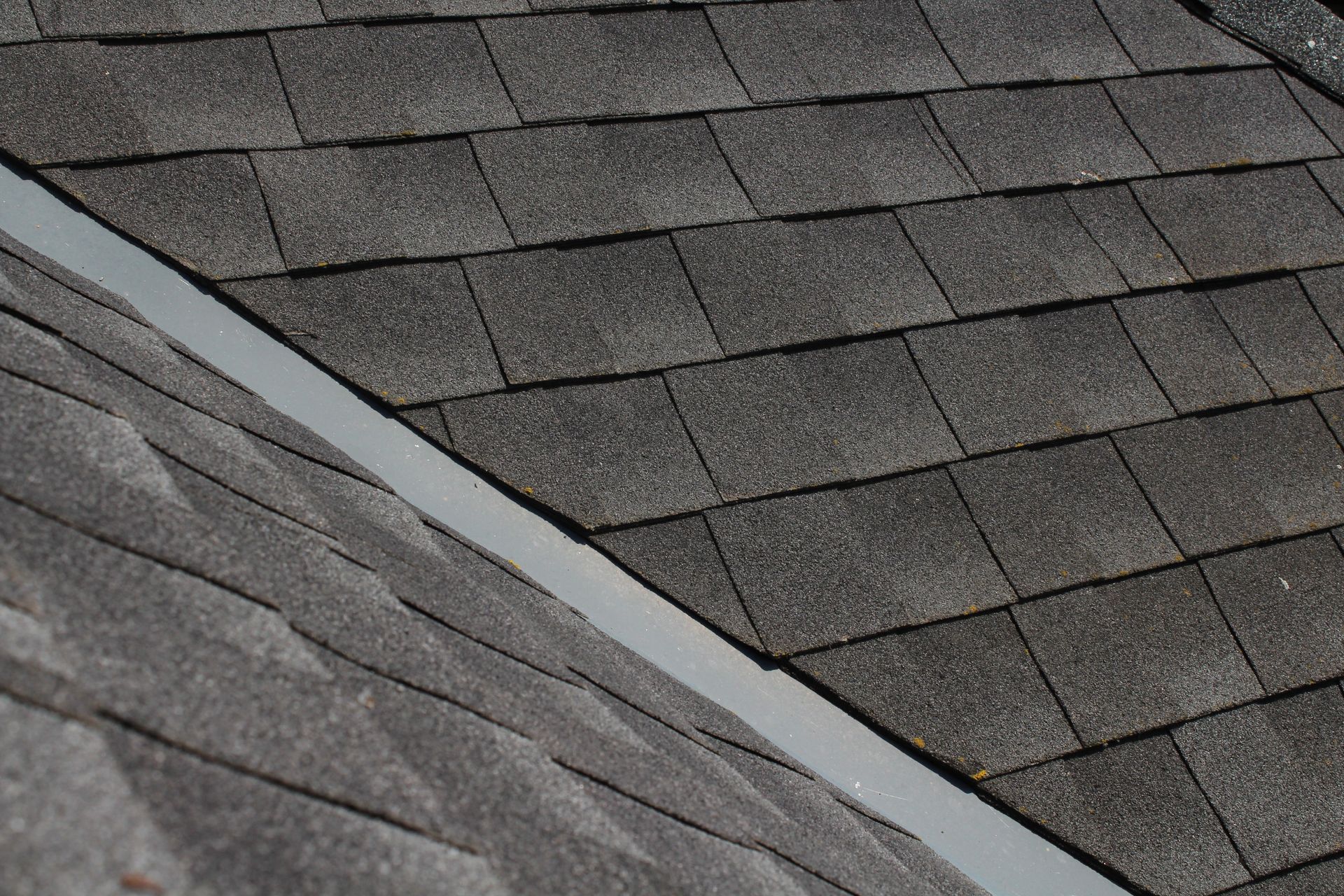
ASPHALT SHINGLE
We prioritize asphalt shingles as the most frequently chosen material by homeowners, ensuring every installation meets our high standards for performance and aesthetics.
They are a practical fit for many homes because they offer strong value, a wide range of colors and styles, manufacturer system options, and dependable performance when installed correctly.
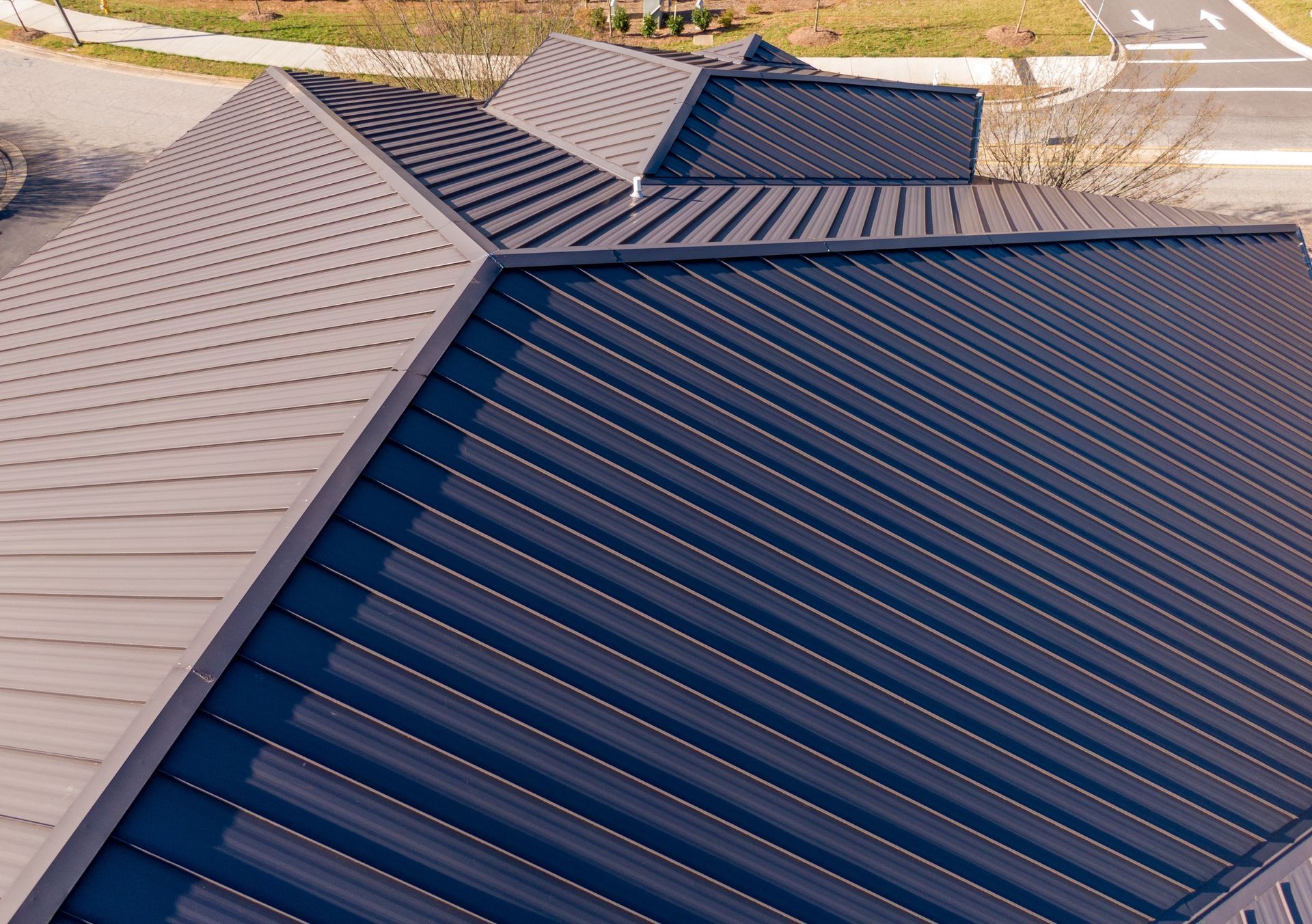
METAL
Metal roofing can be a strong option for certain homes, exterior remodels, rural properties, and buildings where durability, water-shedding, and long-term performance are priorities.
Metal roofing comes in different forms, and the right product depends on the structure, slope, design goals, and budget.
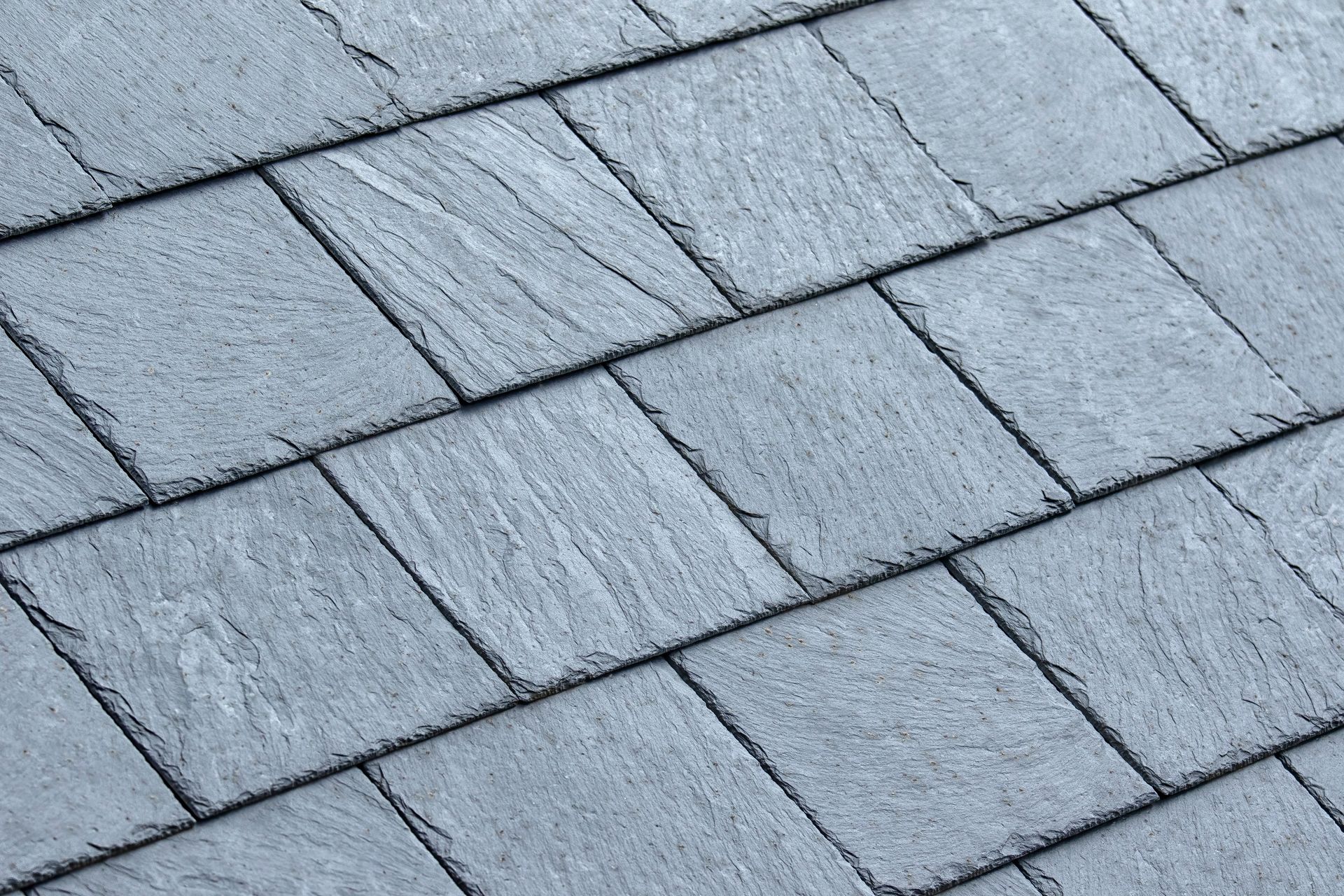
SLATE
Slate roofing is a specialty roof type often associated with historic, luxury, and architecturally detailed homes.
It can offer a high-end appearance and long service life when the structure, material, and installation approach are right. It is also heavier, more complex, and more specialized than standard asphalt shingle roofing.
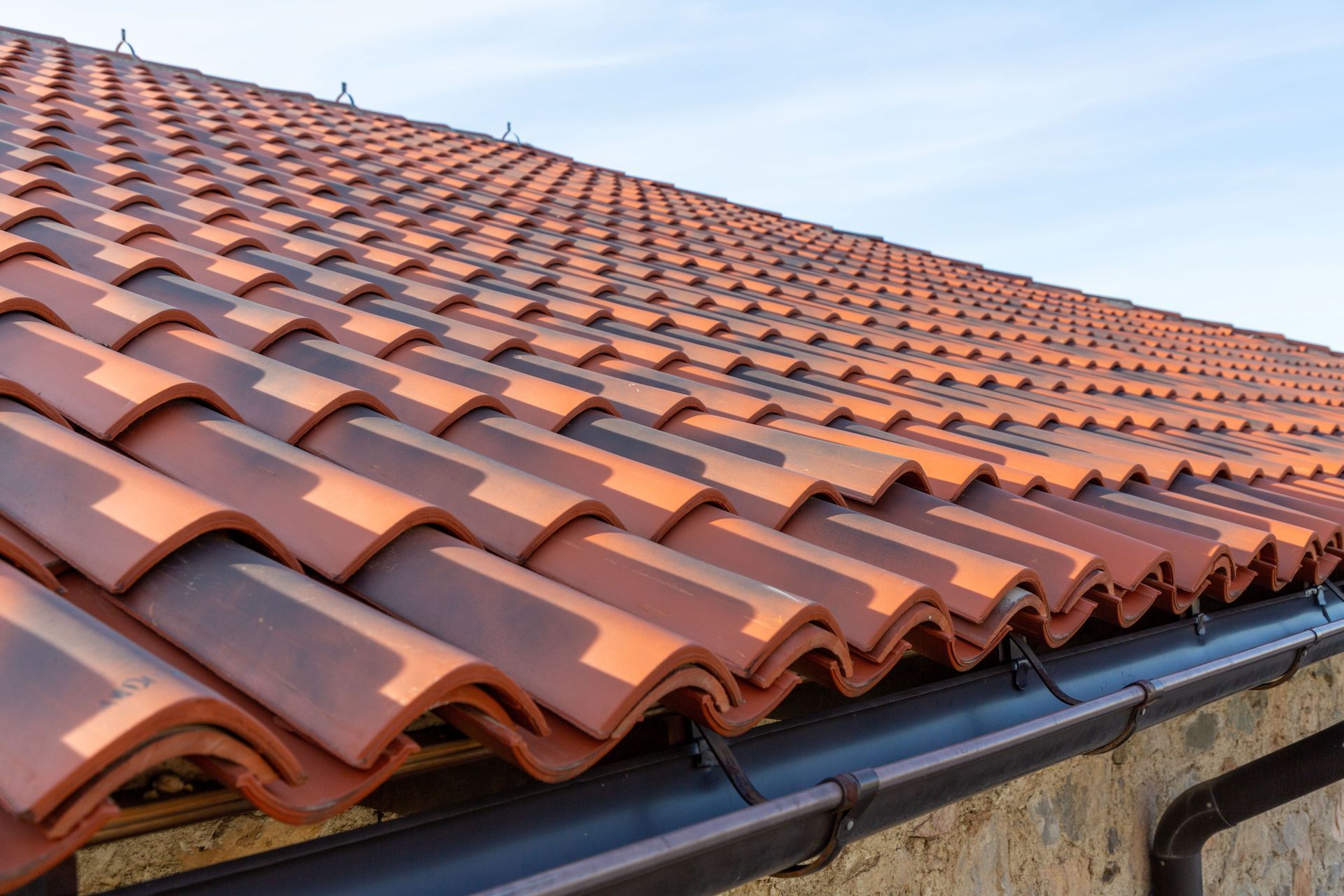
TILE
Tile roofing can be an important option in warmer climates and on homes designed for a Mediterranean, Spanish, coastal, or high-end exterior style.
Tile is especially relevant in markets where homeowners may be comparing roofing materials based on heat, style, storm exposure, and long-term performance.
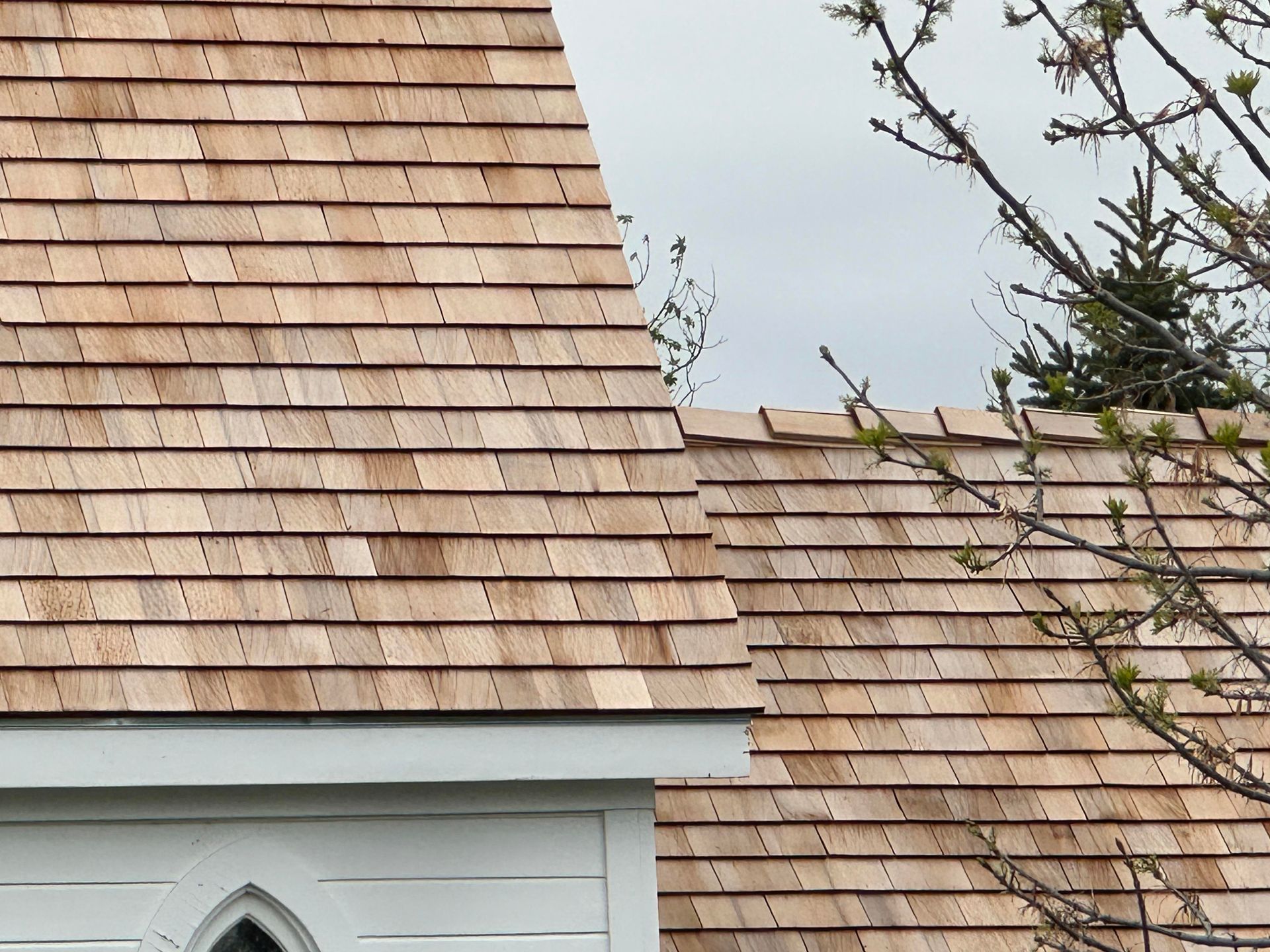
CEDAR SHAKE
Cedar shake roofing creates a natural look that can fit certain custom homes, historic homes, lake homes, and properties where the exterior design calls for texture and character.
Cedar shake is a specialty material that requires a different maintenance conversation than asphalt shingles or metal roofing.

SYNTHETIC
Synthetic roofing materials can be used to mimic the appearance of slate, cedar shake, or tile while reducing some of the weight and maintenance concerns associated with natural materials.
Synthetic roofing can be especially relevant for homeowners who want a specialty appearance without committing to the exact demands of natural slate, wood shake, or tile.
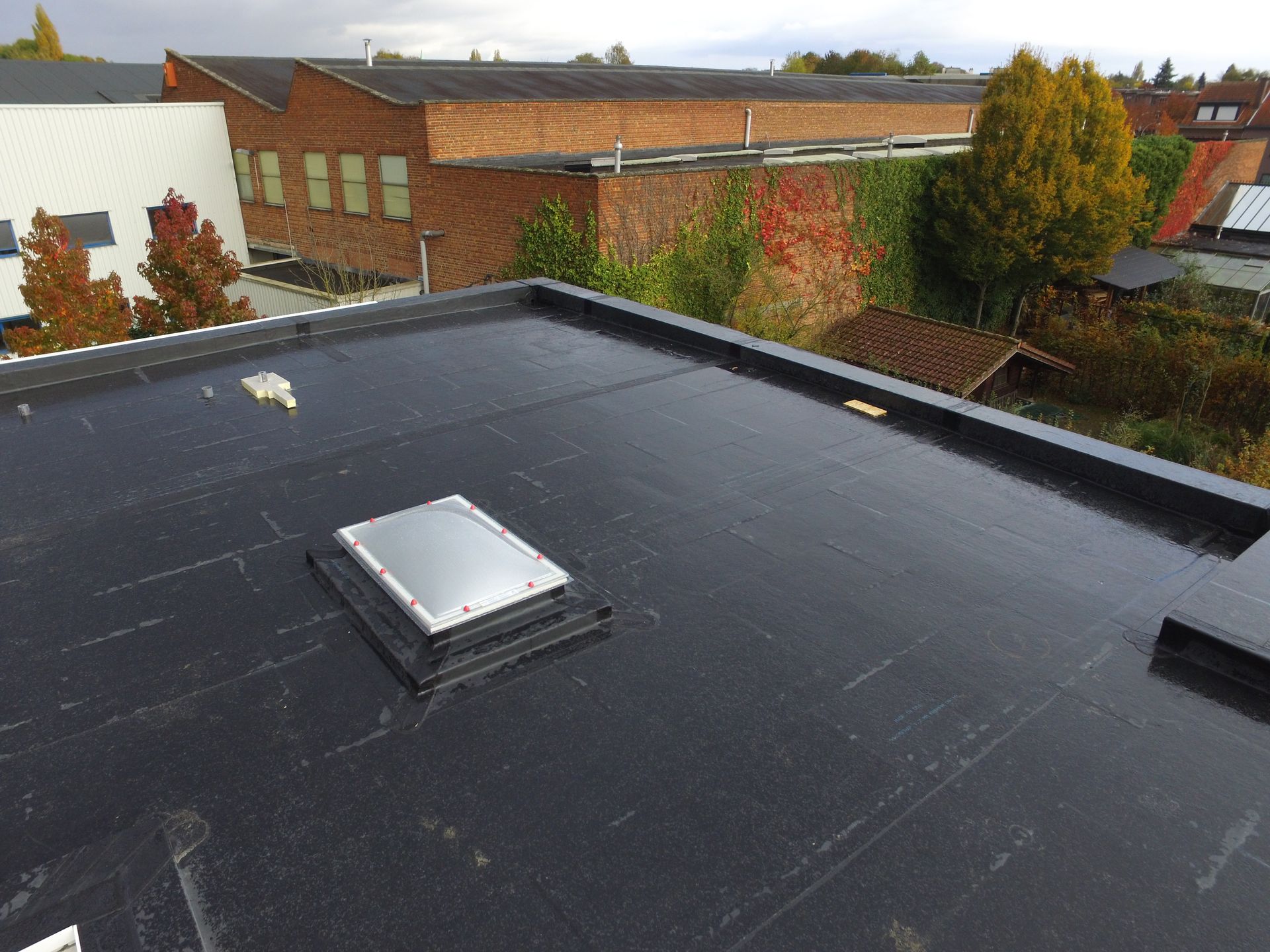
FLAT ROOF SYSTEMS
Some homes have low-slope or flat roofing areas that cannot be treated like a standard steep-slope shingle roof.
These areas may appear over porches, additions, garages, balconies, dormers, or modern home sections. They need roofing materials designed for low-slope water management.
How to Choose the Right Roofing Type
Choosing the right roof type starts with the building.
A roof that looks good in a photo may not be the right choice once slope, weight, weather, budget, code, and installation requirements are reviewed.
Structural Weight
Slate, tile, and some specialty materials may be much heavier than asphalt shingles. The home needs to be evaluated before assuming a heavier material is appropriate.
Roof Slope
Some materials require certain slopes to shed water properly. A low-slope roof may need a flat roof system instead of shingles, tile, or shake.
Local Weather
Southern heat and storm exposure create different roofing priorities than Midwest hail, wind, ice, and freeze-thaw conditions. Roofing materials should be compared with the local climate in mind.
Home Style
A roof should support the architecture of the home. Asphalt shingles, metal, slate, tile, cedar shake, and synthetic roofing all create different curb appeal.
Budget
The lowest-cost roof is not always the best value, but some specialty materials may not fit every project. Cloverfield helps homeowners compare practical options based on cost, performance, and long-term goals.
Maintenance
Some roof types require more ongoing care than others. Homeowners should understand maintenance expectations before choosing a material.
Warranty Goals
Manufacturer warranty opportunities may depend on the roofing system, components, installation method, ventilation, documentation, and contractor qualifications.
The Roof System Beneath the Material Matters
The Roof System Beneath the Material Matters.
Specialty Roofing Requires a Careful Fit Review
Slate, tile, cedar shake, synthetic roofing, and specialty metal products can be strong options for the right home, but they should not be recommended casually.
A complete roof system may include:
The material on top gets the attention, but the system beneath it protects the home.
That is why Cloverfield helps homeowners understand what is being installed, how it works, and what details affect long-term roof performance.
Specialty roofing systems may involve:
Cloverfield can help homeowners evaluate whether a specialty roof type makes sense for the home, budget, and location.
For product-specific systems, certifications, installation approvals, and warranty eligibility should be confirmed before the project is finalized.
The Roof System Beneath the Material Matters
No roofing material performs well if the system underneath is ignored.
Specialty Roofing Requires a Careful Fit Review
Slate, tile, cedar shake, synthetic roofing, and specialty metal products can be strong options for the right home, but they should not be recommended casually.
A complete roof system may include:
The material on top gets the attention, but the system beneath it protects the home.
That is why Cloverfield helps homeowners understand what is being installed, how it works, and what details affect long-term roof performance.
Specialty roofing systems may involve:
Cloverfield can help homeowners evaluate whether a specialty roof type makes sense for the home, budget, and location.
For product-specific systems, certifications, installation approvals, and warranty eligibility should be confirmed before the project is finalized.
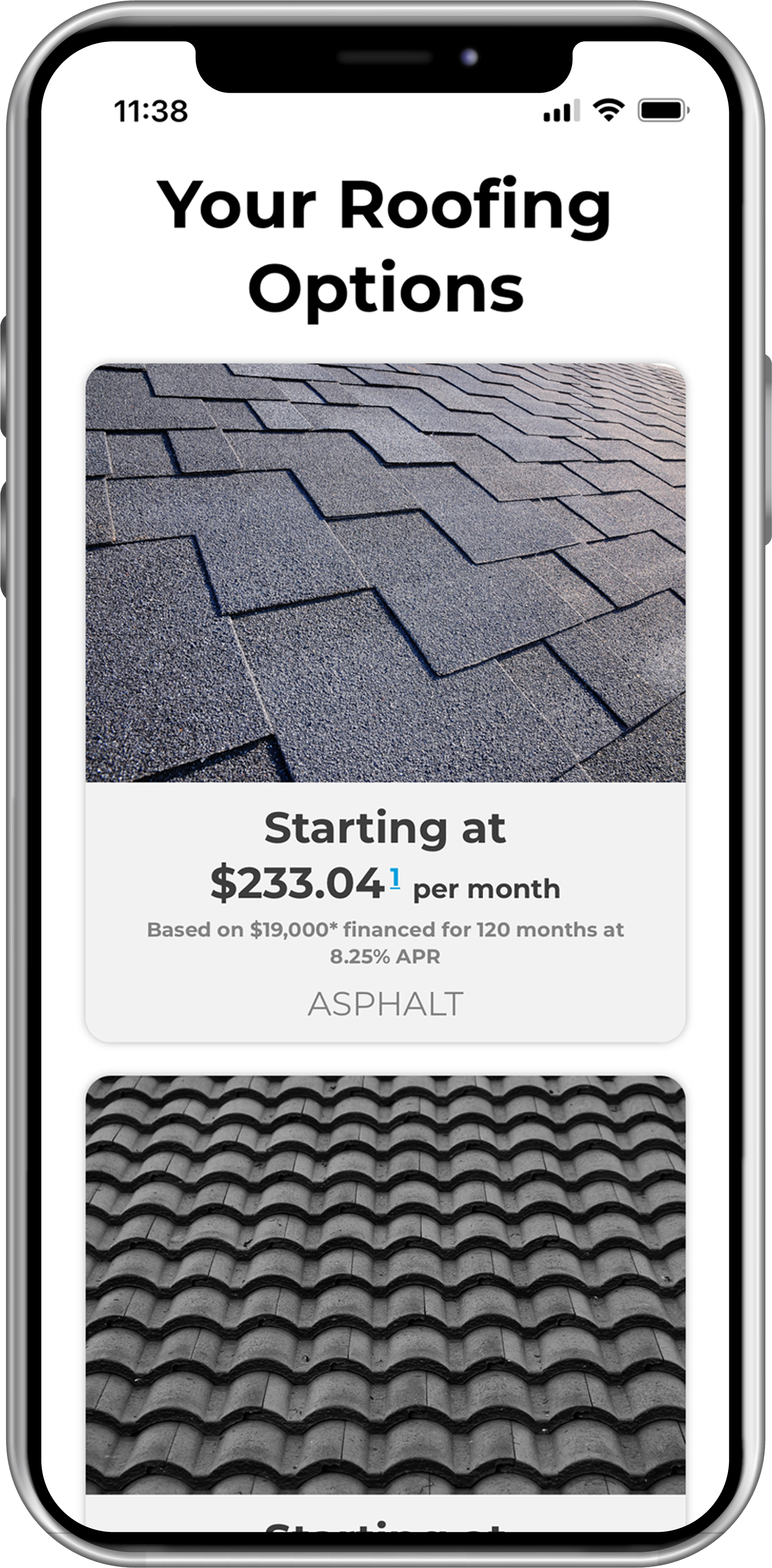
Get a Roofing Estimate in 60 Seconds
Wondering what a roof replacement might cost?
Cloverfield’s online quoting tool provides an instant budgetary estimate for multiple roofing systems after you enter a few details about your home.
No appointments. No waiting for a callback. No pressure.
Get peace of mind for what your new roof may cost today.
Roofing Types for Midwest Homes
Homes in Missouri, Illinois, Kansas, and Wisconsin all face different roofing conditions.
Wind, hail, heavy rain, ice, snow, freeze-thaw cycles, falling limbs, and attic ventilation concerns can all affect the roof system.
Midwest homeowners may compare:
- Asphalt shingle roofing
- Impact-resistant shingle options where available
- Metal roofing
- Synthetic roofing options
- Cedar shake for select homes
- Slate for historic or higher-end properties
- Residential flat roof systems for low-slope areas
A good roofing recommendation should account for local weather, code requirements, ventilation, flashing, and the long-term condition of the home.
Roofing Guidance Around Permits, Licensing, and Code
Roofing warranties are often tied to more than the visible material.
Depending on the product and manufacturer, warranty opportunities may depend on the full roof system, installation methods, contractor qualifications, ventilation, fastening, and documentation.
Cloverfield works with major roofing manufacturers and holds CertainTeed Master Builder and Owens Corning Preferred Contractor credentials. Asphalt shingle systems, in particular, may include manufacturer-specific components that affect warranty eligibility.
Homeowners should understand:
Specific warranty language should be confirmed during the estimate process based on the final product, manufacturer, location, and project scope.

Financing Options for Roofing Projects

Roofing material choice affects project cost.
A specialty roof system may cost more than asphalt shingles, while a standard asphalt shingle system may offer a better balance of performance and budget for many homes.
Through Cloverfield Roofing’s financing partner, Service Finance, qualified homeowners may be eligible for financing options including 12 Months Same as Cash or up to 72 months of equal payments with no interest.*
Financing may help homeowners compare better roof system options instead of choosing only the lowest upfront price.
Financing subject to credit approval. Terms and conditions apply.
Proudly Serving Communities Across the Midwest and Chicagoland
Cloverfield Roofing helps homeowners and property owners compare roofing types based on the buildings, weather conditions, and local requirements in each market served.
Missouri
Ellisville,
Greater St. Louis Region and Surrounding Areas
Illinois
Edwardsville,
Metro East Communities
and Surrounding Areas
Wisconsin
Serving select communities throughout the state
Kansas
Greater Wichita Region and Surrounding Areas
Roofing material availability, installation requirements, permitting, specialty programs, financing options, and warranty opportunities may vary by location.
The Cloverfield Roofing Types Difference
The right roof type should be selected with the full project in mind.
Cloverfield helps homeowners compare roofing materials, understand system requirements, and avoid choosing a roof based only on appearance or the lowest estimate.
Asphalt Shingle Focus
Asphalt shingles are Cloverfield’s core residential roofing material and a practical fit for many homes across the markets served.
Specialty Material Guidance
Metal, slate, tile, cedar shake, synthetic roofing, and low-slope systems can be reviewed based on the home, project scope, and local availability.
System-Based Recommendations
Cloverfield looks at underlayment, flashing, ventilation, fastening, drainage, roof slope, and manufacturer components before recommending a roof type.
Local Weather Awareness
Roofing decisions should account for Midwest hail, wind, ice, and freeze-thaw conditions.
Code and Permit Considerations
Local requirements may affect material selection, installation methods, inspections, and warranty eligibility.
Frequently Asked Questions About Roofing Types
What is the most common residential roofing type?
Asphalt shingles are the most common residential roofing type and Cloverfield’s primary residential roofing material.
They offer a practical balance of cost, performance, style options, and manufacturer system opportunities for many homes.
Does Cloverfield install metal roofing?
Cloverfield can help homeowners evaluate metal roofing options where appropriate for the home, roof slope, location, budget, and project scope.
Metal roofing requires careful planning around flashing, fastening, expansion and contraction, trim details, and drainage.
Is slate roofing an option?
Slate may be an option for certain historic, luxury, or architecturally detailed homes, but it requires a careful fit review.
The structure, roof slope, weight, budget, flashing details, and installation requirements should all be evaluated before choosing slate.
What is synthetic roofing?
Synthetic roofing is designed to mimic materials such as slate, shake, or tile while offering different weight, maintenance, and installation characteristics.
Product selection matters because each synthetic system has its own requirements and warranty terms.
Is cedar shake roofing right for every home?
No. Cedar shake can offer a distinctive natural look, but it may require more maintenance and may be affected by local fire ratings, code requirements, climate, and ventilation needs.
It should be evaluated carefully before installation.
Can shingles be installed on a flat roof?
Standard asphalt shingles are not appropriate for many low-slope or flat roof areas.
Flat or low-slope roof sections usually need a roofing system designed to manage water differently than steep-slope shingles.
How do I choose between asphalt shingles, metal, tile, slate, cedar shake, and synthetic roofing?
The right choice depends on roof slope, home style, structural weight, weather exposure, budget, maintenance expectations, local code, and warranty goals.
Cloverfield can help compare the options based on the actual home rather than appearance alone.
Do roofing types affect warranty options?
Yes. Warranty opportunities can vary by manufacturer, product, system components, installation method, ventilation, contractor qualifications, and documentation.
Specific warranty terms should be reviewed during the estimate process.
Are all roofing materials available in every service area?
No. Material availability, installation requirements, code considerations, and specialty system options may vary by market.
Cloverfield can help confirm which roofing types make sense in your area.
Does Cloverfield handle commercial roofing types too?
Yes. Cloverfield provides commercial roofing services for businesses, property owners, and facilities.
Commercial systems are evaluated differently than residential roofs because they may involve larger roof areas, low-slope systems, drainage planning, maintenance programs, and reporting needs.
What areas does Cloverfield Roofing serve?
Cloverfield Roofing serves communities in Missouri, Illinois, Wisconsin, and Kansas, including the Greater St. Louis Region, Metro East communities, select Wisconsin communities, Wichita, and surrounding Greater Wichita areas.
Service availability may vary by location.
What Our Customers Are Saying
I recently purchased a rental property in Kirkwood and discovered it had existing storm damage from a previous hailstorm. Edward came out, tarped the roof, and provided a detailed set of photos. The team at Cloverfield is knowledgeable and will help you get your roof done right!
Joe Poulin
Thank you again Cloverfield Roofing and Construction! Recommended by a friend, I used Cloverfield to help me fix my roof. I had no idea what I was doing. After calling other companies the night before and not receiving any help I made a call first thing in the morning and had River come out to my home the same day. Thank you for your patience as I know I had a lot of questions. Well def use this company again!
Antoinette Allen
I highly recommend going with Cloverfield roofing. They were extremely knowledgeable and kept me informed throughout the entire process. I am very pleased with everything and will be sticking with this company any time needed in the future.
Kaitlyn Cooper
Dealing with insurance was a headache after the recent storm. The team at Cloverfield stepped in and handled everything. They made sure we got the coverage we deserved and kept us updated throughout. Truly grateful for their help!
Ernesto Lopez
The quality of the new roof is excellent; it looks fantastic and appears to be very durable. What truly stood out was their efficiency and professionalism. The team worked quickly and effectively, completing the entire project in a remarkably short time frame. Furthermore, they were incredibly tidy. All old materials and debris were promptly removed, leaving my property spotless. I highly recommend them for their high-quality workmanship and exceptional service.
Huu Tang

Ready to Compare Roofing Types?
The right roof type should fit the home, the weather, the structure, the budget, and the long-term plan. Cloverfield Roofing can help you compare asphalt shingles, metal, slate, tile, cedar shake, synthetic roofing, flat roof systems, and commercial roofing options based on what the project actually needs.