
Storm Services
Serving homeowners throughout Missouri, Illinois, Wisconsin, and Kansas
Severe weather can leave homeowners wondering whether their roof, siding, gutters, or exterior finishes were damaged.
Cloverfield Roofing helps homeowners understand what a storm may have done to their home, what needs immediate attention, and whether repair or replacement is the more responsible next step. Our team can inspect visible storm damage, document exterior conditions, provide temporary roof protection when needed, and explain practical next steps without turning the process into a confusing sales pitch.
Think Your Home Was Hit by Hail or Wind?
Storm damage is not always obvious from the ground.
A roof can lose shingles, take hail impact, develop lifted edges, or expose vulnerable areas without creating an immediate leak inside the home. Siding, gutters, fascia, soffits, vents, and other exterior components can also be damaged during the same storm.
Cloverfield helps homeowners answer the first question after severe weather:
Was my home actually affected?
A storm inspection can help identify visible damage, explain what may need to be repaired, and determine whether the roof or exterior system needs a larger conversation.



Storm Damage Can Affect More Than the Roof
Many homeowners focus on the roof after hail or wind, but the full exterior can take damage.
In Midwest markets especially, hail and wind may affect roofing, siding, gutters, downspouts, window wraps, fascia, soffits, and other exterior materials.
Cloverfield can evaluate storm-related exterior damage involving:
The goal is to understand the full exterior impact before deciding what needs repair, replacement, or temporary protection.
Emergency Storm Response and Temporary Property Protection
Some storm damage needs attention before a full repair or replacement plan is ready.
Cloverfield provides emergency storm response services such as roof tarping and board-up support when temporary exterior protection is needed. This type of work can help reduce additional damage while the homeowner works through inspection, documentation, repair planning, or insurance claim next steps.
For projects involving builders, remodelers, designers, or other contractors, the roofing plan should be reviewed carefully before work begins. Slope, drainage, tie-ins, ventilation, flashing, and material compatibility all matter.
Emergency property protection may be needed after:
Cloverfield does not position emergency storm response as a guaranteed 24/7 field dispatch promise. After-hours calls can be answered and documented so homeowner details are collected instead of being lost to voicemail. In active service markets, the team works to respond as quickly as scheduling, weather, safety, and local demand allow.
Storm Damage Can Affect More Than the Roof
Many homeowners focus on the roof after hail or wind, but the full exterior can take damage.
In Midwest markets especially, hail and wind may affect roofing, siding, gutters, downspouts, window wraps, fascia, soffits, and other exterior materials.
Cloverfield can evaluate storm-related exterior damage involving:
The goal is to understand the full exterior impact before deciding what needs repair, replacement, or temporary protection.
Emergency Storm Response and Temporary Property Protection
Some storm damage needs attention before a full repair or replacement plan is ready.
Cloverfield provides emergency storm response services such as roof tarping and board-up support when temporary exterior protection is needed. This type of work can help reduce additional damage while the homeowner works through inspection, documentation, repair planning, or insurance claim next steps.
Emergency property protection may be needed after:
Cloverfield does not position emergency storm response as a guaranteed 24/7 field dispatch promise. After-hours calls can be answered and documented so homeowner details are collected instead of being lost to voicemail. In active service markets, the team works to respond as quickly as scheduling, weather, safety, and local demand allow.
Emergency Roof Protection and Insurance Documentation
Temporary roof protection may be part of the insurance claim conversation depending on the damage, claim, and policy coverage.
Cloverfield can document visible storm damage and temporary protection work so homeowners have clearer records for their claim. Your insurance carrier determines coverage based on your policy, damage, deductible, and claim details.
Emergency roof protection may include:
Cloverfield does not promise claim approval, deductible waivers, or guaranteed coverage. The goal is to help homeowners protect the property, document what is visible, and understand the next step.
Hail Damage Warning Signs
Hail damage can be difficult to identify without a closer inspection.
Some damage is obvious, especially when large hail breaks vents, dents gutters, or damages siding. Other damage may show up as bruising, granule loss, or impact marks that are easy to miss from the ground.
Hail damage concerns may include:
- Granule loss concentrated below roof slopes or in gutters
- Bruised shingles that may feel soft or fractured
- Impact marks on ridge caps, vents, or roof accessories
- Dents in gutters, downspouts, flashing, or soft metals
- Siding cracks, chips, holes, or impact marks
- Damage to window wraps, screens, or exterior trim
- Broken skylights, roof vents, or plastic roof components
- Patterns of damage across multiple sides of the home
- Granule loss concentrated below roof slopes or in gutters
A storm inspection helps determine whether the damage is cosmetic, functional, isolated, or part of a larger roofing or exterior problem.
Storm Damage Inspection Process
A storm damage inspection should help homeowners understand what happened and what options are available.
Cloverfield evaluates visible exterior damage, documents findings, and explains the practical next steps based on the condition of the home.
A storm inspection may include:
The inspection should leave the homeowner with a clearer understanding of the damage, not more confusion.
Wind Damage Warning Signs
Wind damage can happen even when hail is not involved.
High winds can lift shingles, break seals, loosen flashing, tear off ridge caps, pull siding loose, and expose areas of the home to water. A roof may look mostly intact from the ground while shingles are no longer sealed correctly.
Wind damage concerns may include:
- Missing shingles after a storm
- Lifted or creased shingles that may no longer seal
- Exposed underlayment or roof decking
- Ridge cap damage along roof peaks
- Loose flashing around walls, chimneys, or roof penetrations
- Siding panels that are loose, cracked, warped, or missing
- Gutters pulled away from the fascia
- Debris impact from branches, limbs, or nearby objects
- New leaks after heavy wind-driven rain
- Missing shingles after a storm
Wind damage should be inspected before another storm exposes the same weak area to more water.
Repair or Replacement After a Storm?
Not every storm-damaged roof needs full replacement.
Some problems can be repaired when the damage is isolated and the surrounding roof is still in good condition. Replacement may become the more responsible option when hail, wind, age, poor installation, or repeated leaks affect the roof as a system.
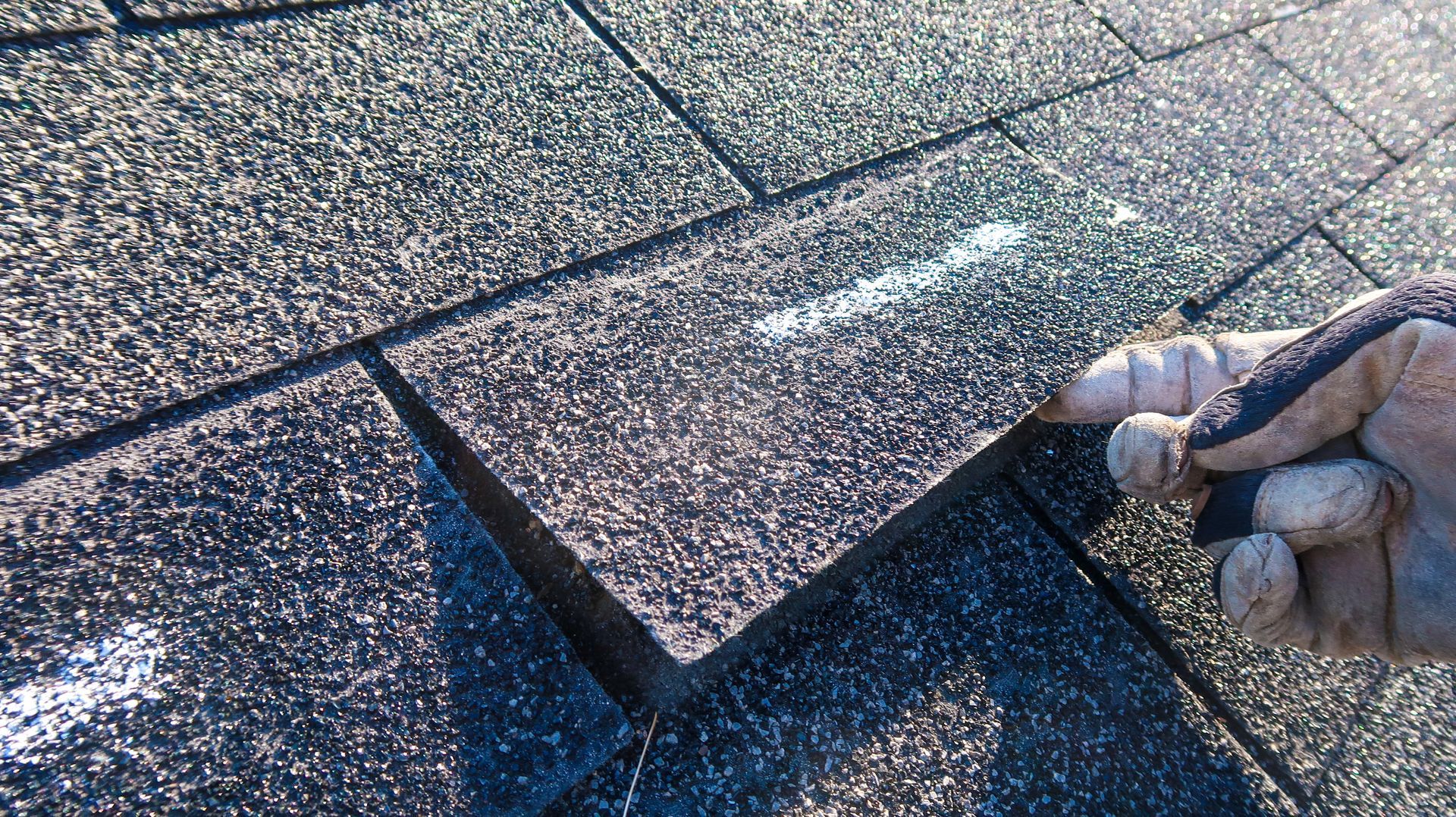
Replacement May Be the Better Direction When:
Cloverfield helps homeowners understand when repair is reasonable and when replacement may protect the home better over the long term.
Repair May Be Practical When:
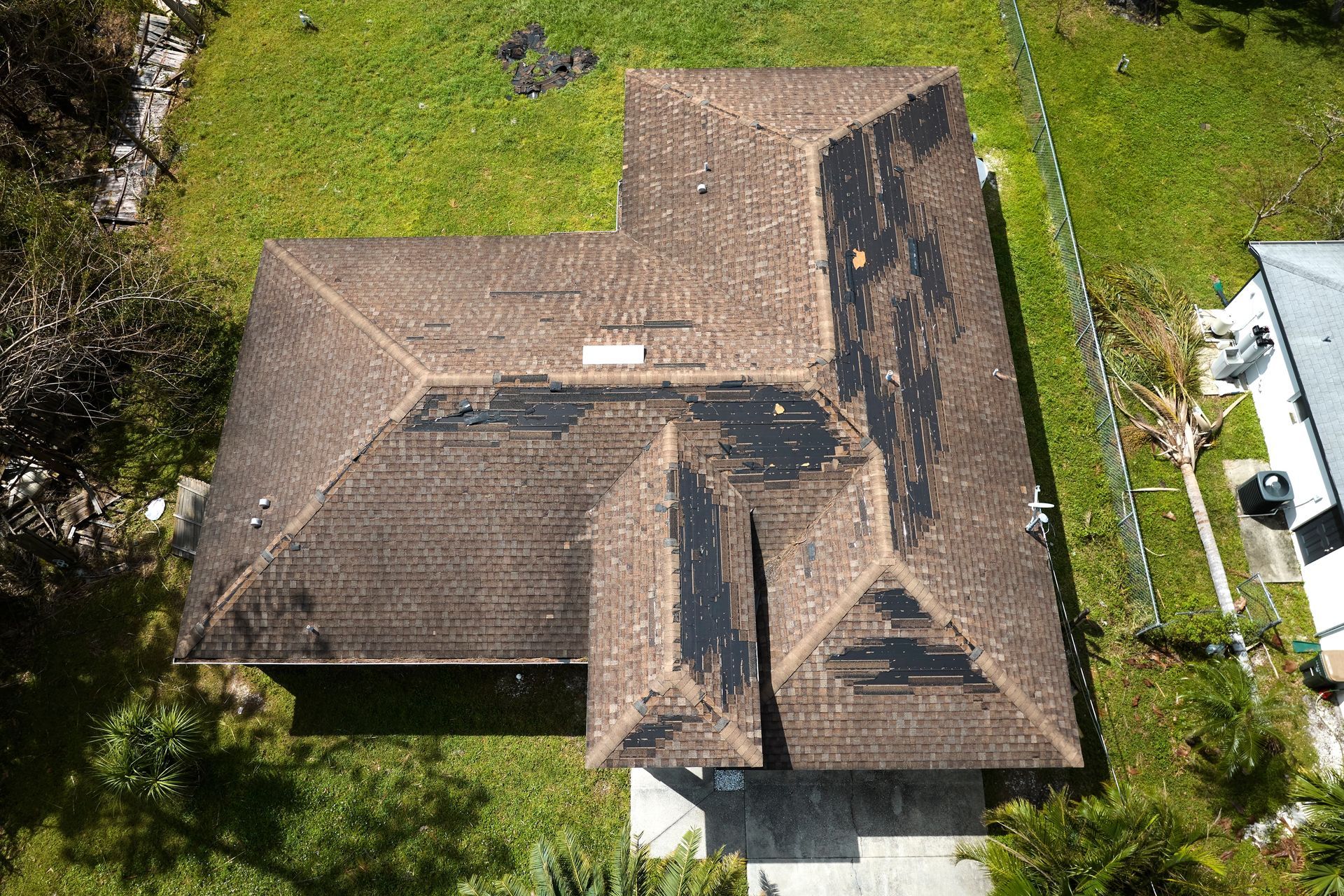
Exterior Storm Claims for Roofing, Siding, and Gutters
Storms do not always damage one trade at a time.
A hailstorm may damage the roof, dent gutters, crack siding, and affect exterior trim during the same event. A windstorm may lift shingles, loosen siding, and pull gutters or downspouts out of place.
For homeowners, coordinating multiple exterior trades can be frustrating. Cloverfield can help evaluate roofing, siding, and gutter damage together where service is available, especially in Midwest storm markets where exterior claims often involve more than one part of the home.
This can help homeowners avoid:
Cloverfield’s role is to document visible exterior damage, explain practical repair or replacement options, and help homeowners understand what the storm may have affected.
Storm Tracking and Recent Weather Review
Homeowners often know a storm came through but may not know whether hail, wind, or severe weather affected their specific neighborhood.
Cloverfield uses storm tracking resources to review recent hail and wind activity in active service areas. These tools can help support the inspection conversation by showing when severe weather may have passed through a neighborhood.
A storm activity review may help homeowners understand:
Storm tracking data does not replace a physical inspection. It helps homeowners decide whether the home should be checked after severe weather.
Storm Services for Midwest Homes
Midwest storm work is often driven by hail, wind, heavy rain, falling limbs, and seasonal storm patterns.
In Missouri, Illinois, and Wisconsin, severe weather can affect roofs, siding, gutters, fascia, soffits, and exterior components. Storm activity commonly increases during spring and summer, but damage may not be noticed until weeks or months later.
Midwest storm concerns may include:
- Hail damage to shingles, siding, gutters, and vents
- Wind-lifted or missing shingles
- Heavy rain exposing weak flashing or drainage problems
- Tree limb damage after strong storms
- Gutter and downspout dents or separation
- Siding cracks, chips, or loose panels
- Roof leaks that appear after repeated weather exposure
- Code, permit, and licensing requirements in regulated markets
- Hail damage to shingles, siding, gutters, and vents
Cloverfield helps Midwest homeowners inspect storm impact, understand visible damage, and plan repair or replacement work based on the condition of the home.
Property Protection During Storm-Related Roofing Work
Every storm-related roofing project should include a clear property protection plan before work begins.
Roof repairs, roof replacement, tarping, board-up, siding work, and gutter work can involve material delivery, debris, ladders, tools, staging, foot traffic, and cleanup around the home. Cloverfield plans storm work with attention to access, debris control, and exterior protection so the project does not create avoidable damage around the property.
Property protection planning may include care around:
- Landscaping, gardens, shrubs, and planting beds
- Driveways, walkways, patios, decks, and outdoor living areas
- Windows, doors, gutters, downspouts, and exterior trim
- Siding, stucco, brick, stone, masonry, and painted surfaces
- Pool areas, fencing, hardscaping, and decorative exterior features
- Material delivery, staging areas, and crew access points
- Debris control during tear-off, repair, tarping, or installation
- Final cleanup around the home after work is complete
- Landscaping, gardens, shrubs, and planting beds
For premium, historic, or detail-sensitive homes, this planning becomes even more important.
These properties may have mature landscaping, delicate exterior materials, custom trim, masonry details, or preservation concerns that need extra care before the project starts.
Depending on the home and scope of work, property protection systems such as Catch-All may be used where appropriate.

Financing Options After Storm Damage
Storm damage does not always result in a full insurance-covered project.

Some homeowners may have a deductible, uncovered items, older roof issues, maintenance-related concerns, or upgrades they want to consider while storm repairs are being planned. Others may decide replacement makes more sense than repeated repairs, even when the project is not entirely claim-driven.
Through Cloverfield Roofing’s financing partner, Service Finance, qualified homeowners may be eligible for financing options including
12 Months Same as Cash or
up to 72 months of equal payments with no interest.*
Financing may be useful when:
- Repair is not the best long-term solution
- Replacement makes more sense than patching storm damage
- Exterior items fall outside the approved insurance scope
- The homeowner wants to upgrade the roof system
- A deductible or non-covered portion needs to be planned for
- The project includes roofing, siding, gutters, or other exterior work
- Repair is not the best long-term solution
Financing subject to credit approval. Terms and conditions apply.
Proudly Serving Homeowners Across the Midwest and Florida
Cloverfield Roofing provides storm services based on the homes, weather patterns, exterior materials, and local requirements in each market served.
Missouri
Ellisville,
Greater St. Louis Region and Surrounding Communities
Illinois
Edwardsville,
Metro East Communities
and Surrounding Areas
Wisconsin
Serving select communities throughout the state
Florida
Lakeland,
Central Florida and Surrounding Areas
Storm service availability, emergency property protection, exterior service scope, permitting, financing options, and warranty opportunities may vary by location.
The Cloverfield Storm Services Difference
Storm damage can be stressful, but the process should not leave homeowners confused.
Cloverfield helps homeowners understand whether the home was affected, what visible damage exists, what needs temporary protection, and whether repair or replacement is the more responsible next step.
Storm Damage Education
Homeowners should understand what hail, wind, rain, and debris can do to the roof and exterior before making a decision.
Exterior Claim Awareness
Roofing, siding, and gutters may be affected by the same storm. Cloverfield can help evaluate the exterior more completely where service is available.
Emergency Property Protection
Tarping and board-up support may be available when storm damage leaves the home exposed to additional weather.
Clear Damage Documentation
Photos, notes, and inspection findings help homeowners understand visible damage and support claim-related conversations when insurance is involved.
Repair vs. Replacement Guidance
Cloverfield explains when a repair is practical and when the roof or exterior system may need a larger solution.
Practical Insurance Communication
Coverage depends on the policy and claim. Cloverfield documents visible damage and temporary protection work without promising claim outcomes.
Frequently Asked Questions About Storm Services
What should I do if I think my roof was damaged by a storm?
Start with a storm damage inspection.
Cloverfield can evaluate visible roof and exterior damage, document what is found, and explain whether repair, replacement, or temporary protection may be needed.
Can hail damage a roof even if there is no leak?
Yes. Hail can bruise shingles, damage ridge caps, loosen granules, dent soft metals, or weaken the roof before a leak appears inside the home.
A roof may need inspection even when the ceiling still looks dry.
What are signs of wind damage on a roof?
Common signs include missing shingles, lifted shingles, creased shingles, exposed underlayment, damaged ridge caps, loose flashing, debris impact, and leaks after wind-driven rain.
Wind can also affect siding, gutters, fascia, and exterior trim.
Does Cloverfield provide emergency roof tarping?
Cloverfield provides emergency storm response services such as roof tarping when temporary exterior protection is needed and available in the service area.
Response timing depends on weather, safety, scheduling, storm volume, and market conditions.
Does Cloverfield provide board-up service?
Cloverfield can provide board-up support when storm damage leaves exterior openings or vulnerable areas that need temporary protection.
Availability depends on the property, damage, service area, and current storm demand.
Is emergency roof protection covered by insurance?
Emergency roof protection may be covered under your policy depending on the claim and coverage.
Cloverfield can document the damage and temporary protection work for your claim, but your insurance carrier determines coverage.
Can Cloverfield help with roofing, siding, and gutters after a storm?
In applicable residential markets, Cloverfield can evaluate storm-related roofing, siding, and gutter damage.
This can help homeowners understand the full exterior impact instead of managing several disconnected inspections.
Do I need to file an insurance claim before calling Cloverfield?
No. Many homeowners call for an inspection first because they are unsure whether the storm caused damage.
Cloverfield can inspect the home, document visible issues, and help you understand whether claim-related next steps may be worth discussing with your insurance carrier.
Will Cloverfield tell me if I need repair or replacement?
Yes. Cloverfield can explain whether the visible damage appears repairable or whether replacement may be the better long-term option based on the condition of the roof or exterior system.
Does every storm-damaged roof need replacement?
No. Some storm damage can be repaired when the issue is isolated and the roof is still in good condition.
Replacement may be more responsible when damage is widespread, the roof is older, or the system is no longer performing reliably.
Can Cloverfield check recent hail or wind activity near my home?
Cloverfield uses storm tracking resources to review recent hail and wind activity in active service areas.
Storm data can help determine whether an inspection makes sense, but a physical inspection is still needed to confirm visible damage on the home.
Does Cloverfield offer financing for storm-related work?
Yes. Qualified homeowners may be eligible for financing options through Service Finance.
Financing may be helpful when replacement is the better option, when upgrades are being considered, or when part of the project is not covered by insurance.
What areas does Cloverfield Roofing serve?
Cloverfield Roofing serves homeowners in Missouri, Illinois, Wisconsin, and Kansas, including the Greater St. Louis Region, Metro East communities, select Wisconsin communities, Wichita, and surrounding Greater Wichita areas.
Service availability may vary by location.
What Our Customers Are Saying
I recently purchased a rental property in Kirkwood and discovered it had existing storm damage from a previous hailstorm. Edward came out, tarped the roof, and provided a detailed set of photos. The team at Cloverfield is knowledgeable and will help you get your roof done right!
Joe Poulin
Thank you again Cloverfield Roofing and Construction! Recommended by a friend, I used Cloverfield to help me fix my roof. I had no idea what I was doing. After calling other companies the night before and not receiving any help I made a call first thing in the morning and had River come out to my home the same day. Thank you for your patience as I know I had a lot of questions. Well def use this company again!
Antoinette Allen
I highly recommend going with Cloverfield roofing. They were extremely knowledgeable and kept me informed throughout the entire process. I am very pleased with everything and will be sticking with this company any time needed in the future.
Kaitlyn Cooper
Dealing with insurance was a headache after the recent storm. The team at Cloverfield stepped in and handled everything. They made sure we got the coverage we deserved and kept us updated throughout. Truly grateful for their help!
Ernesto Lopez
The quality of the new roof is excellent; it looks fantastic and appears to be very durable. What truly stood out was their efficiency and professionalism. The team worked quickly and effectively, completing the entire project in a remarkably short time frame. Furthermore, they were incredibly tidy. All old materials and debris were promptly removed, leaving my property spotless. I highly recommend them for their high-quality workmanship and exceptional service.
Huu Tang

Think Your Home Was Hit by Hail or Wind?
You do not need to know exactly what the storm damaged before calling.
Cloverfield Roofing can inspect your roof and exterior, document visible damage, provide temporary protection when needed, and explain whether repair, replacement, or claim-related next steps should be considered.